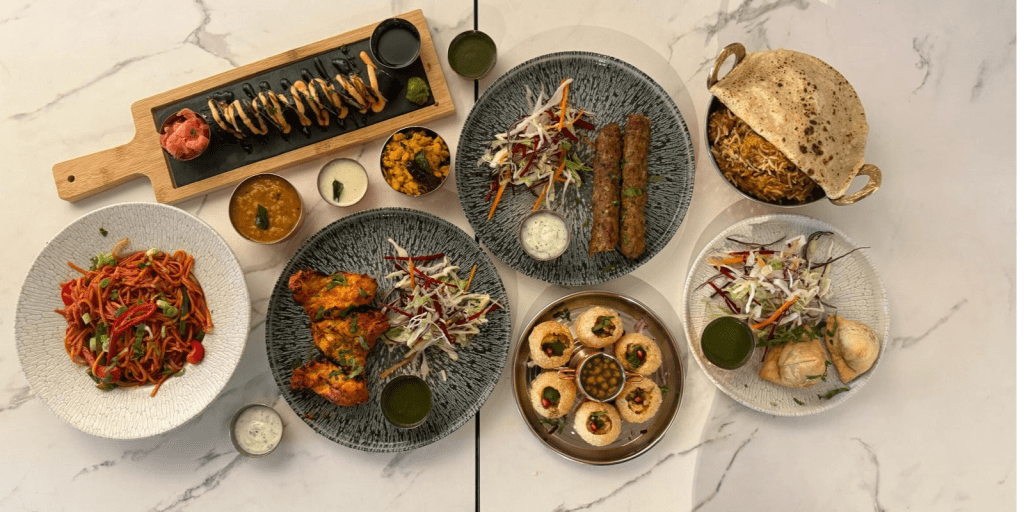
When people think of Nepali food, dishes like momo, dal bhat, and curry often come to mind. But Nepali food has much more to offer, with many traditional dishes that people outside Nepal may never get to try.
One of them is choila, a smoky and spicy meat dish mixed with mustard oil, chilli, ginger, garlic, and Himalayan spices. It is full of bold flavour and offers a different taste of traditional Nepali food, yet authentic choila can be hard to find outside Nepal.
In this guide, we will look at what choila is, where it comes from, how it is made, and where you can try authentic chicken choila near Altrincham and Hale.
What Is Choila?
Choila is a traditional Nepali dish made with grilled or cooked meat mixed with mustard oil, spices, ginger, garlic, and chilli. It comes from the Newar community of Nepal’s Kathmandu Valley and is known for its smoky and spicy taste.
The meat is cooked first and then mixed with the spices and other ingredients. This gives choila its strong and unique flavour.
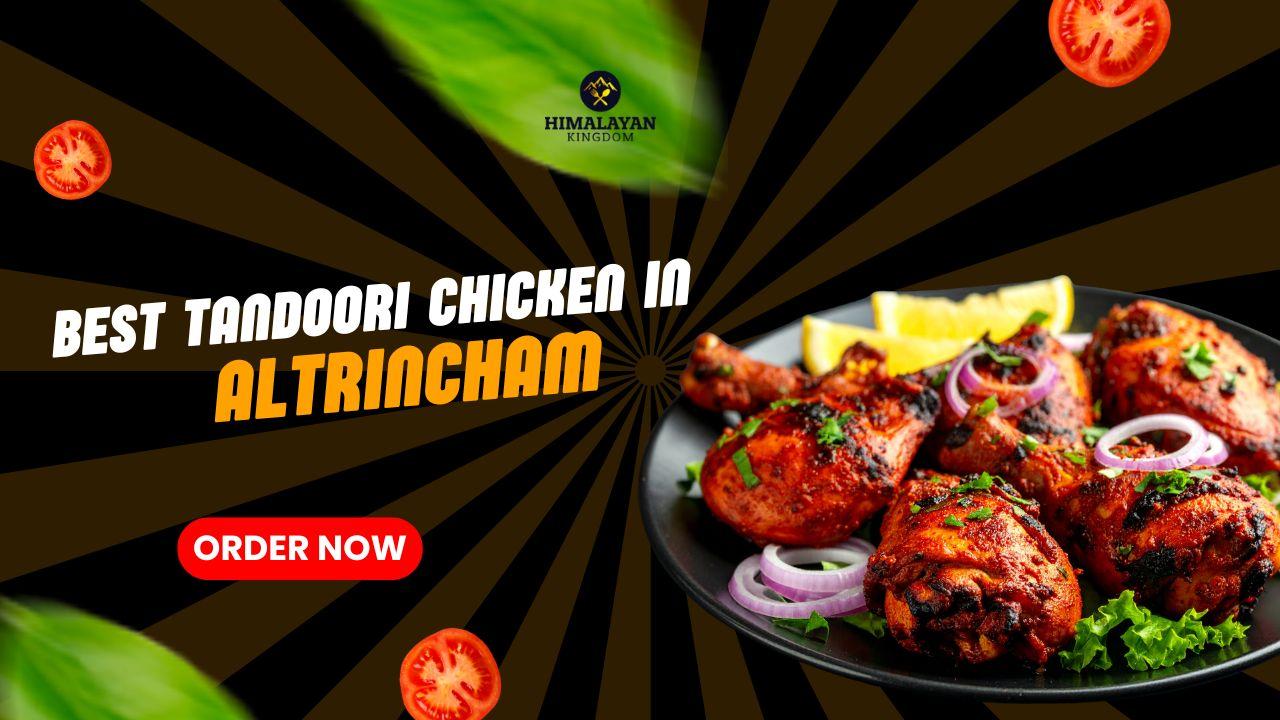
Traditionally, choila is made with buffalo meat in Nepal. Today, chicken choila is also a popular version, often served alongside other grilled favourites like tandoori chicken. Unlike a curry, choila is not served in a thick sauce. It is usually dry, with the meat coated in a spicy mix of oil and spices.
Where Did Choila Originate: The Newari Tradition Behind Nepal’s Famous Dish
Choila is a Newari dish from the Kathmandu valley of Nepal. It is a part of Newari food culture for generations and is enjoyed often during family gathering, festivals and special celebrations.
In Nepal, choila is more than just a dish you order at a restaurant. It is also prepared at home and shared with family and friends, especially during special occasions and traditional gatherings. You will often find it as part of a traditional Newari khaja set, served alongside pickles and other Newari dishes enjoyed together as a meal, in the same spirit as a full Nepali thali.
While the type of meat used can vary between homes and restaurants, the Newari style of preparation remains at the heart of what makes choila such an important part of Nepal’s food culture.
How Choila Is Actually Made
Choila is made with meat, mustard oil, and a mix of spices. For chicken choila, the chicken is first grilled or cooked until it is fully done and has a light smoky flavour. It is then cut into small pieces and mixed with mustard oil, ginger, garlic, chilli, and other spices.
Some traditional recipes also use timur, a Himalayan spice known for its slightly tingling taste. The exact ingredients can vary from one home or restaurant to another, but mustard oil and spices are important parts of the dish and give choila its well-known strong flavour. The ginger, garlic, and chilli also add freshness and heat, while the smoky flavour of the cooked meat brings everything together.
Mustard oil is one of the key ingredients in choila. It has a strong and unique taste that helps give the dish its bold flavour. When mixed with the spices and other ingredients, it coats the meat and adds to the dish’s rich taste, giving it the drier texture that sets it apart from a typical curry.
How Choila Is Served and Eaten in Nepal
In Nepal, choila is often enjoyed as part of a larger meal rather than on its own. It is commonly served with chiura, also known as beaten or flattened rice, along with pickles and other traditional Newari cuisine. Choila is also a popular part of a Newari khaja set, where several dishes are served together.
Unlike many grilled meat dishes, choila is often eaten at room temperature rather than straight from the grill. This gives the meat time to mix well with the mustard oil, spices, and other ingredients, allowing the flavours to develop before it is served.
There is no strict rule for eating choila. In Nepal many persons enjoy it with their hands but a spoon or fork is also very normal. If you want to balance the meal out, a warm cup of masala chai or a cool mango lassi complements the smoky heat well. It is usually shared with family and friends during meals, gatherings and special occasions, and thus it is a dish closely associated with Newari food culture.
Where to Try Choila in Altrincham and Hale
Although Nepali food is becoming more popular in the UK, traditional dishes like choila can still be difficult to find on many restaurant menus. While some restaurants serve familiar Nepali dishes, not all offer the chance to try lesser-known traditional foods from Nepal’s different communities.
If you are looking to try chicken choila near Altrincham or Hale, Himalayan Kingdom, located at 4 Crown Passages in Hale, serves this traditional Nepali dish as part of its menu, listed as a starter at £9.45. Their chicken choila is prepared with grilled chicken, mustard oil, ginger, garlic, chilli, and a blend of spices inspired by traditional Newari flavours.
It can be served as a starter, shared at the table or ordered with other Nepali dishes for a more complete meal. Your chicken choila is also available for collection and delivery so you can enjoy it at home.
Whether you are trying choila for the first time or looking to enjoy a taste of traditional Nepali food, Himalayan Kingdom offers a chance to explore a dish beyond the more familiar choices found on many menus. If you are still finding your feet with the menu, our guide on what to order at a Nepalese restaurant is a good place to start.
Why Choila Is a Dish Worth Trying
Choila proves that Nepali food is so much more than the food that most people have already met. It has a strong connection with Newari food culture and a smoky taste with spices. It is something different for anyone who wants to explore traditional Nepali cooking.
If you are ready to try it, order chicken choila for
Or visit Himalayan Kingdom at 4 Crown Passages in Hale to enjoy this popular Newari dish for yourself.
FAQs
What is choila?
Choila is a traditional Nepali dish made with grilled or cooked meat mixed with mustard oil, ginger, garlic, chilli, and spices. It comes from the Newar community of Nepal’s Kathmandu Valley.
Is choila spicy?
Choila usually has some heat from chilli and spices. However, its flavour is not only about heat. Mustard oil, ginger, garlic, and spices give the dish its strong and smoky taste.
What meat is used in choila?
Traditionally, choila is mainly made with buffalo meat. Today, chicken choila is also a popular version and uses the same style of spices and preparation.
Where can I find authentic choila near Manchester?
If you are near Altrincham or Hale, Himalayan Kingdom at 4 Crown Passages in Hale serves chicken choila inspired by traditional Newari flavours.
What’s the difference between buffalo and chicken choila?
The main difference is the type of meat used. Buffalo choila is the traditional version, while chicken choila uses chicken. Both can be prepared with mustard oil, chilli, ginger, garlic, and spices.
If you’ve never tried a dosa before, you’re not alone. Many people spot it on the menu, wonder what it is, and choose something more familiar instead. The ones who decide to give it a try usually end up asking the same question after their first bite:
Why haven’t I tried this before?
Dosa is one of South India’s most loved dishes, yet it’s still unfamiliar to many people in the UK. With its crispy golden exterior, soft centre and variety of delicious fillings, it’s a dish that surprises first-time diners and keeps them coming back for more.
In this guide, you’ll discover where dosa comes from, what it’s made of, how it tastes, which type to try first, whether it’s healthy, and how to enjoy it like a local – even if it’s your first time.
What Is Dosa, and Where Does It Come From?
The dosa is a crispy South Indian preparation of thin flat bread prepared from fermented dough that is made by fermenting rice and urad dal (black lentils). The dosa is usually cooked fresh on a heated griddle until the edges become crisp and golden while the inner portion remains soft enough for rolling. Its light texture and mild, tangy flavor come entirely from the natural fermentation process, with no eggs, butter, baking powder, or yeast needed.
Dosa has been part of South Indian cuisine for hundreds of years and is most commonly associated with the regions of Tamil Nadu and Karnataka. Although food historians have different views on where it first appeared, there is broad agreement that it has long been an everyday staple across southern India. Despite its long history, the basic method of making dosa has changed very little, relying on rice, urad dal, and natural fermentation to create its distinctive taste and texture.
Today, dosa is loved around the world, from South Asia to the UK. At Himalayan Kingdom, every dosa is made using traditionally fermented batter and cooked fresh to order, giving it the crisp-outside, soft-inside texture that makes this South Indian favorite so memorable.
What’s Really Inside a Dosa?
The short ingredient list is one of the biggest surprises for first-timers:
Rice – Forms the base of the batter and gives the dosa its light, crispy texture.
Urad dal (split black lentils) – Adds protein and helps create the soft center while supporting the natural fermentation process.
Water – Brings the ingredients together and helps achieve the smooth batter needed for an even, crispy dosa.
Salt – Enhances the flavour and balances the gentle tang that develops during fermentation.
That’s the entire base. No eggs, no dairy, and no raising agents. The rice and lentils are soaked separately, ground into a smooth batter, combined, and left to ferment for several hours before they ever touch the griddle. Once it’s spread thin and cooked, that simple batter is what turns golden, crisp, and full of flavour – no shortcuts involved.
Why Fermentation Is the Secret Behind Every Great Dosa
Fermentation isn’t a traditional ritual you could skip – it’s the entire reason dosa tastes and behaves the way it does.
As the batter rests, naturally occurring bacteria create tiny air pockets throughout the mixture. Those pockets are what give the finished dosa its light, airy texture on the inside while allowing the outside to crisp properly in the pan. The same process also produces the gentle tang that separates real dosa from an ordinary rice pancake – and it happens to make the batter easier to digest than an unfermented mix, which is part of why dosa has stayed a daily staple across South India for generations rather than an occasional treat.
None of this can be rushed. A dosa that tastes flat or overly starchy almost always comes from batter that didn’t get the time it needed – which is exactly why the process starts long before the pan ever heats up.
Are All Dosas Made the Same Way?
Not exactly. While every dosa looks similar, the batter can be made in different ways, which changes its taste and texture.
Here are some of the most common types:
Traditional Dosa: It is made with rice and urad dal (split black lentils). The batter is naturally fermented, giving the dosa its crispy edges, soft centre, and light tangy flavour. This is the type used for every dosa at Himalayan Kingdom.
Rava Dosa: Made with semolina (also called rava) instead of the traditional fermented batter. It’s thinner, crispier, and has a lacy texture.
Neer Dosa: Made from a very thin rice batter. It’s soft, light, and doesn’t have the crispy texture of a traditional dosa.
Pesarattu: Made with green gram (moong dal) instead of rice and urad dal. It has a richer, earthier flavor and a natural green color.
At Himalayan Kingdom, we stay true to the traditional recipe by using naturally fermented rice and lentil batter for all six of our dosas, giving them the authentic flavor and texture that South Indian dosas are known for.
Which Dosa Should You Try First? A Guide to the Types of Dosa on Our Menu
Every dosa at Himalayan Kingdom starts with the same naturally fermented rice and lentil batter. What sets each one apart, and what really defines the different types of dosa you’ll find on our menu, is the filling and flavor layered on top. Whether you’re trying dosa for the first time or already know what you like, here’s a guide to help you choose from all six varieties, also listed on our food menu.
1.Plain Dosa
If you want to taste dosa in its purest form, the plain dosa is the ideal place to start. Without filling, each bite is an opportunity to enjoy the crunch, the light tang, and the subtle flavor of the naturally fermented batter. It is accompanied by coconut chutney and hot sambar. It is a simple dish that shows you don’t need a lot of ingredients to make great-tasting food that is memorable.
Best for: First-time diners, traditional food lovers, and anyone who wants to experience authentic South Indian dosa.
2.Masala Dosa
The masala dosa is the classic that has introduced millions of people to South Indian cuisine. Inside the crispy dosa is a comforting filling of lightly spiced mashed potatoes cooked with onions, mustard seeds, and traditional seasonings. The combination of crunchy dosa and soft, flavorful potato makes it the most popular choice for good reason.
Best for: First-time visitors, families, and anyone who enjoys mild, comforting flavors.
3.Onion Dosa
If you enjoy a little extra texture, the Onion Dosa is a fantastic choice. Freshly chopped onions are spread over the batter as it cooks, becoming lightly caramelized on the hot griddle. The result is a crispy dosa with a subtle sweetness and a rich aroma that adds something a little different without overpowering the traditional flavor.
Best for: Guests who enjoy crunchy textures and mild, aromatic dishes.
4. Madras Dosa
For those who enjoy a little heat, the Madras Dosa takes the classic masala filling and adds a layer of spicy red chilli chutney. The extra spice brings warmth and bold flavor while still allowing the crispy dosa and potato filling to shine. It’s a great option if you like your food with a bit more excitement.
Best for: Spice lovers looking for a bolder South Indian dish.
5.Chilli Cheese Dosa
A modern twist on a traditional favourite, the Chilli Cheese Dosa combines melted cheese with fresh chilli inside a crispy dosa. The creamy cheese balances the gentle heat of the chilli, creating a rich and satisfying dish that’s become one of our most popular choices. It’s often the dosa that wins over people trying South Indian food for the first time.
Best for: Cheese lovers, families, and anyone looking for a comforting twist on the classic.
6.Egg Dosa
If you’re looking for something more filling, the Egg Dosa is an excellent choice. Fresh egg is cooked directly onto the dosa before being finished with spicy chutney, creating a hearty meal that’s packed with flavor and protein. Crispy on the outside and satisfying in every bite, it’s perfect for lunch or dinner when you’re after something substantial.
Best for: Anyone looking for a hearty, protein-rich meal – if you want to build a bigger spread, it pairs well with other hearty options on our menu like tandoori chicken or a biryani.
Still Not Sure Which One to Choose?
If it’s your first time trying dosa, we recommend starting with the Masala Dosa. It’s the perfect introduction to the flavors that have made this South Indian favourite so popular around the world. If you’d rather experience the traditional taste of naturally fermented batter, the Plain Dosa is an equally excellent choice. Once you’ve tried one, you’ll probably find yourself coming back to explore the rest. And if dosa is your first taste of the wider menu, our guide on what to order at a Nepalese restaurant is a useful next stop.
New to Nepali cuisine beyond dosa? Our guide to Nepali thali is a great next stop if you want the full Himalayan plate experience.
What Does Dosa Taste Like?
If you’ve never tried dosa before, it’s difficult to imagine what it tastes like-and that’s exactly why so many people are curious about it.
A freshly cooked dosa has thin, crispy edges that gently crackle with every bite, while the centre stays soft enough to wrap around a filling. The flavor is light and slightly tangy, thanks to the natural fermentation process, but it’s never overpowering. Instead, it provides the perfect base for the ingredients served alongside it.
The dosa and chutney pair can make or break the experience. The coconut chutney offers a fresh, creamy contrast, and a bowl of warm sambar adds a rich, mildly spiced flavor. Each filling, whether it be the classic spiced potato masala, caramelised onions, cheese, green chilies, or egg, gives the dosa its own unique character, and each variation tastes a little different but maintains its signature crisp texture and subtle tang.
Dosa vs Idli: What’s the Difference?
Dosa and idli are both made from a fermented (rested) batter of rice and urad dal (split black lentils), but they taste and feel completely different. The biggest difference is how they’re cooked.
Dosa is prepared by spreading it thin over a hot griddle (tawa) and cooking it to become crispy, whereas idli is steamed to make it soft and fluffy. In case you like crispy food items, then dosa will definitely be your cup of tea, while if you like soft things, then idli is the perfect thing for you.
What Mistakes Do Beginners Make When Eating Dosa for the First Time?
Trying dosa for the first time is part of the fun, but there are common mistakes many people make that can stop them from enjoying the full experience.
When beginners start eating dosa, they usually save the chutney for the end. The thing is, you should be eating the chutney with the dosa the whole time. Some people only eat the parts of the dosa and do not eat the soft part in the middle. The soft part is really good because it has the filling, which makes the dosa taste even better. To really enjoy the dosa, you should try to eat a bit of everything in one bite, including the dosa, the chutney, and the filling.
Many first-time diners are also surprised by the size of a dosa. Although it looks large when it arrives at the table, the thin fermented batter makes it much lighter than it appears. Perhaps the biggest mistake of all is skipping dosa because it feels unfamiliar-it’s often the dish people end up wishing they’d ordered first.
How Much Does a Dosa Cost?
Dosa is an affordable and satisfying meal, with prices varying depending on the filling you choose. At Himalayan Kingdom, prices start from £8.95 for a Plain Dosa and go up to £10.95 for specialty options. Every dosa is served with freshly made coconut chutney and warm sambar for a complete South Indian dining experience.
For the latest prices and menu updates, please check our current food menu before visiting or ordering.
Where Can You Try Authentic Dosa in Hale, Altrincham?
If you’re looking for authentic South Indian dosa in Altrincham, Himalayan Kingdom serves six freshly made varieties, all prepared with traditionally fermented rice and lentil batter and cooked to order. From the classic Masala Dosa to the spicy Madras Dosa, the indulgent Chilli Cheese Dosa, and the hearty Egg Dosa, there’s a dosa for every taste.
Every dosa is served with coconut chutney and warm sambar, whether you choose to dine in,
Ready to try one? Visit Himalayan Kingdom and discover why dosa has become one of South India’s most loved dishes.
Looking for Dosa Near Me in Hale and Altrincham?
If you’ve searched for dosa near me hoping to find an authentic plate nearby, Himalayan Kingdom is one of the closest places to enjoy proper South Indian food in the area.
We’re based at 4 Crown Passages, Hale, Altrincham, WA15 9GN, a short trip for anyone searching for dosa in Hale, Altrincham, or the surrounding villages, and we’re proud to be one of the go-to dosa restaurants near me for locals who want the real thing rather than a quick imitation.
Every dosa is made fresh to order using traditionally fermented rice and lentil batter, so whether you’re after dosa for breakfast, a quick lunch stop, or dosa for dinner with the family, you’re getting the same crisp, golden result every time.
Follow Himalayan Kingdom on social media channels such as Facebook, Instagram, YouTube, and TikTok for the latest updates and news.
Frequently Asked Questions
What Is Dosa Made Of?
Traditional dosa is made from rice, urad dal (split black lentils), water and salt. After the batter has fermented, it’s spread thinly onto a hot flat pan and cooked until it is crispy around the edges and soft in the middle.
Is dosa gluten-free?
Yes. A traditional plain dosa is naturally gluten-free because it’s made with fermented rice and urad dal (split black lentils), not wheat. If you have coeliac disease or a gluten allergy, it’s always a good idea to ask the restaurant whether steps are taken to prevent cross-contamination during preparation.
Which dosa is best for beginners?
The masala dosa is the most popular choice for beginners thanks to its crispy texture and lightly spiced potato filling. If you want to enjoy the authentic flavor of the batter, the Plain Dosa is another excellent option.
Is dosa healthy?
Yes, Dosa can be a healthy choice as it’s made from naturally fermented rice and urad dal (split black lentils), providing energy and plant-based protein. The overall nutrition depends on the filling and how it’s served.
Is dosa suitable for vegetarians?
Yes. Our Plain, Masala, Onion, Madras, and Chilli Cheese Dosas are all vegetarian. The Egg Dosa contains egg.
Can I order dosa for takeaway or delivery?
Yes. All of our dosas are available for dine-in, takeaway and delivery, so you can enjoy them wherever you like.
You walk into a Nepali restaurant, and the menu has all the usual dishes: momos, thukpa, and a handful of curries and then this one item: Nepali Thali.
It’s listed differently from everything else, almost like its own category, and if you’ve never ordered one before, it’s worth knowing exactly what you’re getting into.
A Nepali thali is a complete meal served on one plate, bringing together steamed rice, lentil soup (dal), a curry, pickles (achar), and greens, all placed together and eaten at once rather than arriving as separate courses. It’s not a starter you order to hold you over, and it’s not a side dish sitting next to something bigger. It stands on its own as the whole meal.
For most Nepali families, this isn’t a once-in-a-while treat. It’s simply what’s eaten at home, day after day, often more than once. That everyday familiarity is part of what makes it feel so genuine when you order it at a restaurant: you’re not getting a special “authentic experience” version. You’re getting the real thing, the way it’s actually eaten.
Let’s get into what makes it so special, what it costs, and where to find a proper one right here in Altrincham.
What Exactly Is a Nepali Thali?
“Thali” simply means plate. But a Nepali thali isn’t just any plate. It’s everything served together-rice, dal, curry, and sides-all arriving at once instead of one dish after another. A few things set it apart:
● Everything comes together, not course by course
● You’re meant to mix it: a bite of rice, a bit of dal, a touch of achar
● It’s not a restaurant invention.
It’s what Nepali families eat at home every day. That last point matters more than people realize. A Nepali thali isn’t dressed up for show. It’s just how the meal has always been served.
Where does Nepali Thali Come From: A Tradition Built on Balance
Nepal sits between India and Tibet, high in the Himalayas. Its food carries traces of both, but it’s never just a copy of either.
Nepali food culture is built on a few simple ideas:
● Balance over heat. Flavor over fire.
● Rice and lentils, the foundation, day after day.
● Vegetables and pickles aren’t extras. They’re essential.
● Meals in Nepal are often a family affair.
Sharing food around one table is part of everyday life, and the thali reflects this tradition by bringing together a variety of dishes for everyone to enjoy.
That’s why a thali feels different from a typical takeaway curry. It’s not built to impress but to feed you properly. If you’re curious how this compares to food you already know, our guide on Nepalese vs. Indian food breaks down where the two cuisines part ways. To understand Nepali cuisine at its most honest, this is the plate to start with.
Which Nepali Thali Should You Order: Chicken, Vegetable, or Lamb?
Once you’ve decided to try a thali, the next step is picking your protein. At Himalayan Kingdom, every thali shares the same foundation: poppadom, salad, gundruk, tomato achar, Nepali daal, mixed vegetables, saag, curd, and gulab jamun. The only difference is the curry in the middle of the plate.
Chicken Thali
The popular order on the menu is normally the right place to start. The chicken curry is mild and comforting rather than fiery, making it an easy first step into Nepali curry if you’re not used to the spices.
● Mild, beginner-friendly curry
● Pairs well with the tang of the achar and the coolness of the curd
If you’re not sure where to begin, start here.
Vegetable Thali
Don’t think of this as the “meat-free version.” Think of it as its own thing. The vegetable curry is a mix of seasonal vegetables simmered until they take on the same warming spice base, as the rest of the menu. It’s lighter than the chicken or lamb but not thin: the vegetables hold their texture, and the spicing does the heavy lifting instead of the meat.
● A proper, satisfying plate of vegetarian Nepali food
● Texture-forward rather than sauce-heavy. The vegetables are the star, not a filler
Nothing about this thali feels like a compromise.
Lamb Thali
For anyone who knows what they like. The lamb curry is deeper, richer, and a little bolder than the chicken version, designed for those people who want more weight behind their Nepali curry.
● Richer, more layered spice
● A favorite among regulars: If you’ve had the chicken thali and want to go further, this is the natural next step.
No matter which one you pick, you get the full plate every time.
Craving One Already?
Already know which thali you want? No need to read on, reserve your table now, or order ahead for collection.
Dal: a thin, seasoned lentil soup, usually made from split lentils simmered with garlic, ginger, turmeric, and a few whole spices. It’s light, but it carries a lot of flavor for something so simple.
Bhat: steamed rice, plain on its own, but it’s the base that soaks up everything else on the plate: the curry, the dal, and the achar.
Tarkari: a vegetable curry, usually made with whatever’s in season, cooked down with warming spices until it’s soft and well-flavored rather than watery or bland.
Dal, bhat, and tarkari are the base that every thali is built on. Think of it like rice and beans elsewhere in the world. Plain in theory. Never actually boring, because the flavors carry it every time. For the full story on why this combination anchors Nepali cooking, read our piece on why dal bhat is Nepal’s most loved meal.
What’s Included in a Nepali Thali
A Nepali thali includes:
Poppadom: The thin, crispy disc that arrives at the start. Simple but effective, it gives you something crunchy to break up the softer textures of rice, dal, and curry before the main flavors begin.
Fresh salad: A small side of raw, crunchy vegetables, usually onion, cucumber, and tomato. Nothing fancy, but it cuts through the richness of the curry and resets your palate between bites.
Nepali achar (gundruk): A fermented leafy green with a sharp, tangy bite, unlike anything you’d find on an Indian menu. Made by fermenting mustard greens or radish leaves, it’s one of the few dishes on the plate that’s purely, distinctly Nepali.
Tomato achar: The second pickle on the plate, tangy, sometimes spicy, and meant to be added a little at a time. Alongside the gundruk, these two pickles do more work than people expect; a small spoonful changes the whole bite.
Nepali daal: A thin, well-seasoned lentil soup and the backbone of the entire meal. It’s what ties the rice, curry, and greens together into something that actually feels like a complete dish.
Mixed vegetable: A warm side of seasonal vegetables, cooked in the same base of spices as the rest of the plate. It adds bulk and variety without competing with the main curry for attention.
A curry (chicken, lamb, or vegetable): This is the centerpiece of the thali and the one part of the plate that changes depending on what you order. Everything else stays the same around it.
Saag: Spinach or seasonal greens, cooked down and lightly spiced. Simple, earthy, and a good contrast to the richer curry sitting next to it.
Curd: Cool, thick, and slightly tangy. It’s there to calm things down if the curry or achar gets too spicy – a built-in reset button.
Gulab jamun: A small, syrupy sweet that shows up right at the end. Warm, soft, and just the right amount – enough to finish things off on a sweet note without making you feel stuffed after everything else you’ve eaten.
If you want to build a bigger spread around your thali, our guide on what to order at a Nepalese restaurant covers momo, thukpa, and mains worth adding to the table.
How to Eat a Nepali Thali
There’s no strict rulebook. But here’s how it’s traditionally done:
A small bite of rice, mixed with dal.
Add a little curry, then a touch of achar.
Yogurt when things get too spicy.
Change the combination with almost every bite.
Finish with the sweet if there’s one left. Traditionally, it’s eaten with the right hand.
Many believe it makes the food taste better, closer to the texture, temperature, and whole experience. Cutlery works just fine, too. There’s no wrong way to enjoy it.
How Much Does a Nepali Thali Cost?
A Nepali thali is priced as a full meal, not a side, since it includes curry, rice, dal, sides, and dessert in one order. At Himalayan Kingdom, thali prices are in the same range as a standard main course.
The Chicken and Vegetable Thali sit at £25.95 and £24.95, while the Lamb Thali is priced slightly higher at £27.95, reflecting the richer cut of meat
Check the full menu for current prices or call ahead if you’re planning a group order.
Try the Best Nepali thali in Hale, Altrincham
Reading about a thali is one thing. Sitting down to one, steam still rising off the rice, achar hitting your tongue first, gundruk cutting sharply through the richness of the curry, is something else entirely. If you’re searching for a Nepali restaurant near me and want to try a proper Nepali thali, Himalayan Kingdom in Hale, Altrincham, is the place to start. Every thali is made fresh, using traditional recipes and real Himalayan spices. If you’re still deciding where to eat, our guide to the best Nepalese restaurant in Altrincham covers what else makes us worth a visit.
● Try the chicken, vegetable, or lamb, all freshly prepared to order
● The same full set, every time: gundruk, achar, daal, saag, sweet
● A kitchen that treats authentic Nepali food as the everyday standard, not a special occasion.
The story of a Nepali thali is only partially conveyed by reading about it. When you smell fresh rice, dal, and homemade achar at your table, the true experience begins. Make a reservation order today.
Curious about South Indian flavours too? Don’t miss our guide to dosa, another dish worth trying on your next visit.
Follow Himalayan Kingdom on social media channels such as Facebook, Instagram, YouTube, and TikTok for the latest updates and news.
Frequently Asked Questions
1. What is a Nepali Thali?
A Nepali thali is a full traditional meal presented on a single platter. It typically brings together rice, dal (lentil soup), a vegetable or meat curry, achar (pickle), and leafy greens – all served at once so everything is enjoyed together instead of in separate courses.
2. What is the difference between a Nepali Thali and a Thakali Thali?
The Thakali thali is a distinctive regional style of Nepali thali originating from Nepal’s Mustang region, characterized by unique spices and cooking techniques. In contrast, a standard Nepali thali represents a balanced meal concept but is not specific to any single region.
3. What is the difference between Nepali and Indian Thali?
A Nepali thali tends to be lighter and lets the natural flavors of rice, dal, and vegetables come through, while an Indian thali is usually richer, with more layered spices and creamy, dairy-based curries.
4. Is Nepali Thali vegetarian or non-vegetarian?
A Nepali thali can be fully vegetarian. Most restaurants, including Himalayan Kingdom, offer a vegetarian thali that replaces the meat curry with a vegetable curry while keeping every other element of the plate the same.
5. Can I order a Nepali Thali for takeaway or delivery?
Yes. Himalayan Kingdom offers takeaway and delivery on its thali sets across Altrincham, so you can get the full plate at home if you’d rather not dine in.
If you are wondering what to order at a Nepalese restaurant, start with momo dumplings, Dal Bhat, Himalayan curry, Thukpa noodle soup, and Nepalese chow mein. These are the most popular Nepalese dishes and the best choices for first-time visitors trying authentic Himalayan food.
Nepalese cuisine combines Himalayan, Tibetan, and Indian influences, creating dishes that are flavourful, comforting, and usually lighter than many traditional curries. From steamed momo to warming noodle soups and lentil-based meals, Nepalese food offers a unique dining experience for beginners and experienced food lovers alike.
This guide explains the most popular Nepalese dishes, what they taste like, and what first-time visitors should order at a Nepalese restaurant.
Start with Momo: Nepal’s Famous Dumplings
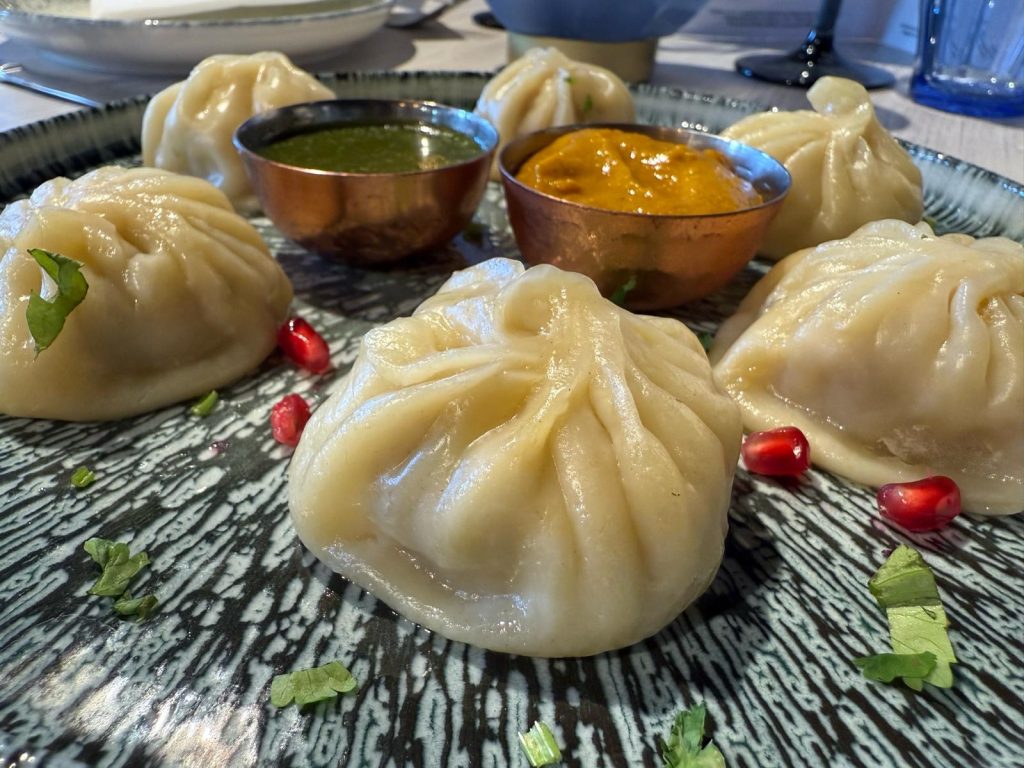
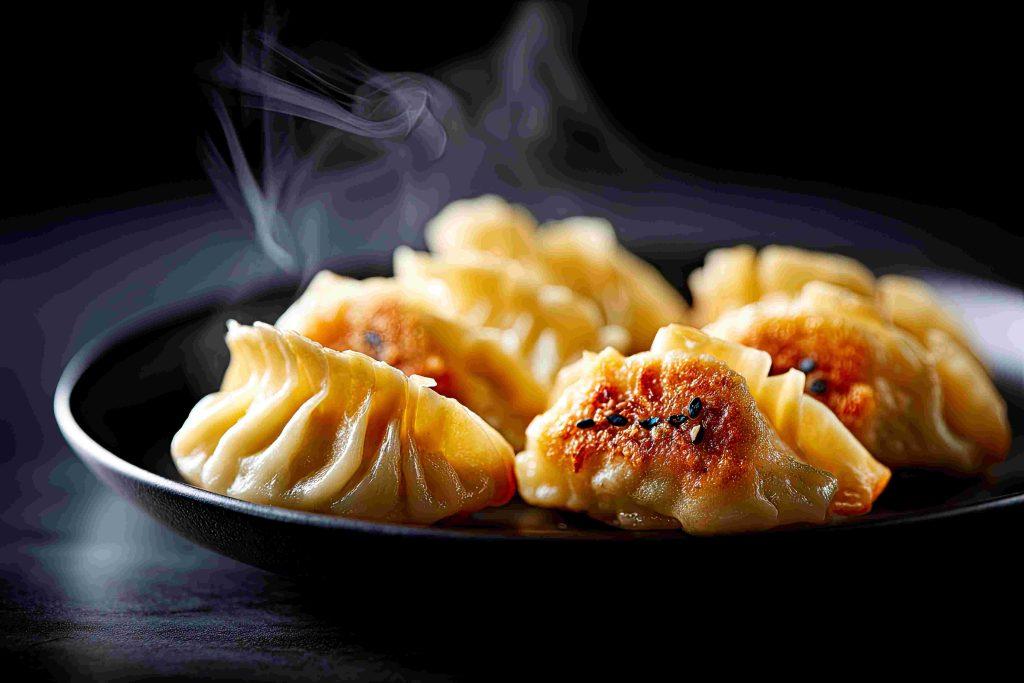
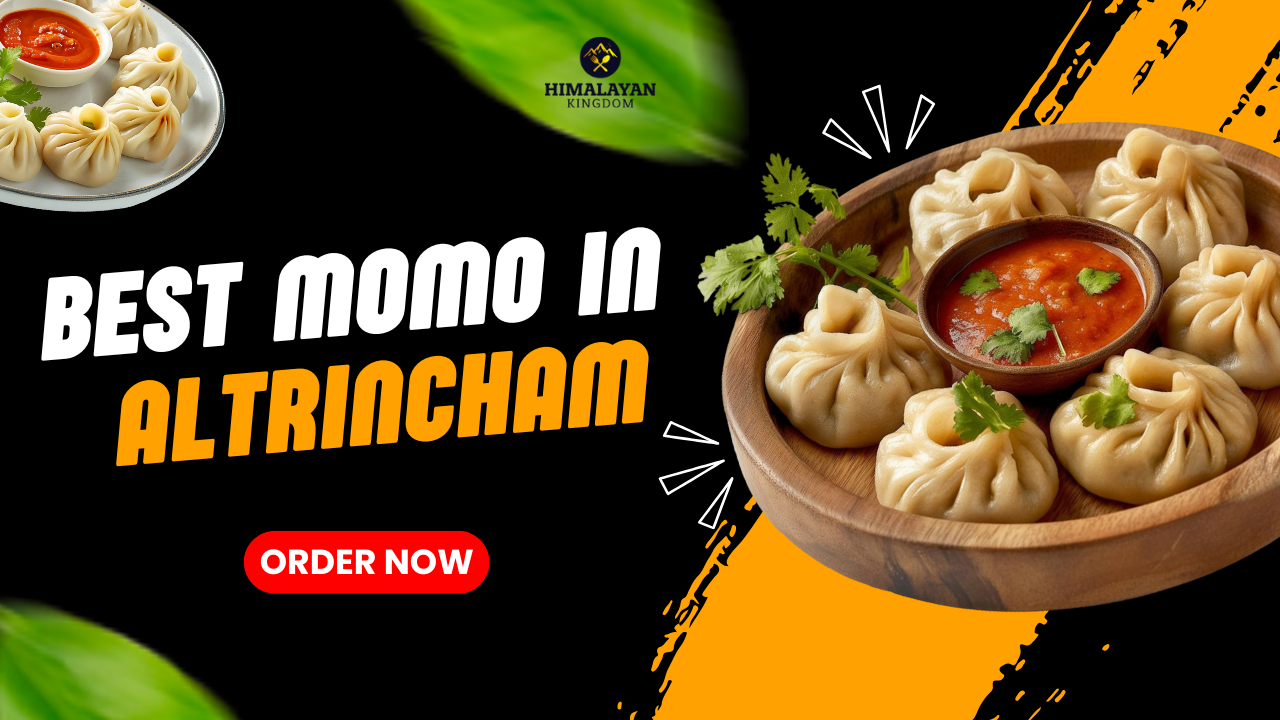
If you are wondering what to order at a Nepalese restaurant, start with momo. They are Nepal’s most iconic street food and the best introduction to Himalayan cuisine. These dumplings are made from soft dough filled with spiced chicken, lamb, or vegetables, then either steamed until tender or fried for a crisp, golden finish.
Momo is always served with a bold tomato-based chutney, often spicy, tangy, and slightly smoky. This sauce is what gives momo their signature flavor and makes them stand out from other dumplings found in Asian cuisine.
They are popular across Nepal for a reason: light enough to start a meal, but rich in flavor and satisfying enough to be memorable. Whether you choose steamed or fried, momo are the most reliable and authentic first dish to order at any Nepalese restaurant.
Our tip: start with steamed momo on your first visit for the most authentic experience. You can explore more about them in our guide on Nepalese momo dumplings.
Try Dal Bhat: The Traditional Nepalese Meal
Dal Bhat is more than just a meal in Nepal; it is a way of life. Eaten twice a day by millions of Nepalese families, this dish is the very heart of traditional Nepalese food.
It consists of dal (a beautifully spiced lentil soup) poured over bhat (fluffy steamed rice), accompanied by seasonal vegetable sides and a curry. The result is a balanced, comforting plate that is wholesome without being heavy. Dal Bhat Nepal-style is earthy, warming, and deeply satisfying, ideal if you want to understand what Nepalese home cooking truly tastes like.
You can explore its cultural importance and why it’s considered Nepal’s national dish in our detailed guide on Dal Bhat.
Enjoy a Himalayan Curry
If you enjoy curry, you are in for a treat, but do not expect the same flavors you might find at an Indian restaurant. Nepalese curries have their own identity, using a distinct spice blend that is more subtle and aromatic, often enhanced with Himalayan herbs and traditional cooking techniques.
At our restaurant, you can choose from a variety of carefully prepared mains, including:
Mustang Lamb Curry: Tender lamb cooked with mint, coriander, and house spices for a rich, deep flavor
Gurkhali Chicken Curry: Chicken cooked with the chef’s hand-picked spices for a classic Nepalese taste
Nepali Fish Curry: Gently spiced with tamarind and coconut for a lighter, coastal-inspired flavor
Each curry is cooked to bring out its natural depth while keeping the spices balanced and approachable. Paired with steamed rice or flatbread, Nepalese curry becomes one of the most satisfying and comforting mains you can enjoy.
Warm Up with Thukpa
Originating in the high-altitude regions of Nepal and Tibet, Thukpa is a soul-warming noodle soup especially popular during the colder months. It is a staple across Himalayan mountain communities and has now found a well-deserved following in the UK.
A steaming bowl of Thukpa typically contains hand-pulled noodles, fresh vegetables, aromatic herbs, and a rich, slow-cooked broth. It is hearty without being stodgy, and the combination of ginger, garlic, and warming spices makes it one of the most comforting bowls of food you will ever try. If the weather is cold or you simply want something deeply nourishing, this Himalayan soup is the answer.
Vegetarian Options to Try
One of the great strengths of Nepalese cuisine is how naturally it accommodates vegetarian diners. Vegetables play a central role in traditional Himalayan cooking, so you will find plenty of outstanding plant-based dishes on any good Nepalese menu.
Highlights for vegetarians include:
Vegetable momo, the classic dumpling with a spiced veggie filling
Dal Bhat is a complete vegetarian meal in itself
Saag slow-cooked spinach with garlic and mustard seeds, rich and deeply flavourful
Vegetable curry packed with seasonal produce and Himalayan spice
Vegetarian Nepalese food is never an afterthought here; it is woven into the very tradition of the cuisine.
Tips for First-Time Visitors
Starting out with Nepalese food is easy when you keep a few simple things in mind:
Start with momo as your starter; they are universally loved and a great first taste of Nepalese cuisine.
Choose a medium spice level if you are unsure. You can always go hotter on your next visit.
Share dishes with friends to try more of the menu in one sitting.
Ask the staff for their recommendations, they know what is freshest and most popular that day.
Experience Authentic Himalayan Flavors in Altrincham
The Himalayan Kingdom Restaurant in Altrincham offers a genuine Nepalese dining experience in a friendly, inviting atmosphere. The restaurant prepares all its menu items using fresh ingredients sourced directly from local markets. fresh, carefully sourced ingredients, drawing on traditional Himalayan recipes passed down through generations.
From the first bite of a perfectly steamed momo to the last spoonful of a rich Himalayan curry, we are committed to bringing you an honest, flavourful taste of Nepal right here in the UK. Whether you are a curious first-timer or a seasoned fan of Himalayan food, our team will make sure you feel right at home.
Conclusion
Nepalese cuisine is a world of unique, comforting, and deeply satisfying flavors, one that rewards every first-time visitor who steps through the door. If you are wondering what to order at a Nepalese restaurant, start with classic dishes like momo, dal bhat, a Himalayan curry, and thukpa, and you will quickly understand why so many people fall in love with this food. It is perfect for beginners and lifelong food lovers alike.
Ready to taste the Himalayas? Visit us at the Himalayan Kingdom in Altrincham and discover the real flavors of Nepal. Reserve your table today.
Frequently Asked Questions
1. What should I order at a Nepalese restaurant for the first time?
If it is your first time at a Nepalese restaurant, the best dishes to try are momo dumplings, dal bhat, chow mein, and thukpa. These popular dishes introduce the traditional flavours of Nepalese cuisine and are commonly recommended for beginners.
2. What is the most popular food in Nepalese cuisine?
Dal bhat is the most popular and widely eaten dish in Nepal. It consists of steamed rice served with lentil soup and side dishes such as vegetable curry, pickles, and sometimes meat. Outside Nepal, momo dumplings are often the most recognized Nepali food in restaurants.
3. Is Momo the most famous Nepalese food?
Yes, momo are among the most famous Nepalese foods, especially internationally. They are dumplings filled with meat or vegetables and served with a spicy dipping sauce called achar. Many people order momo first when trying Nepali cuisine.
4. Is Nepalese food spicy?
Nepalese food is usually moderately spiced rather than very hot. It commonly uses ingredients like garlic, ginger, cumin, and turmeric for flavor, while chili heat often comes from pickles or sauces served on the side.
5. What is the best starter dish at a Nepalese restaurant?
The best starter dish at a Nepalese restaurant is momo, which are traditional dumplings filled with meat or vegetables and served with a spicy dipping sauce. They are the most popular appetizer in Nepal and a great way to begin your first Nepalese dining experience.
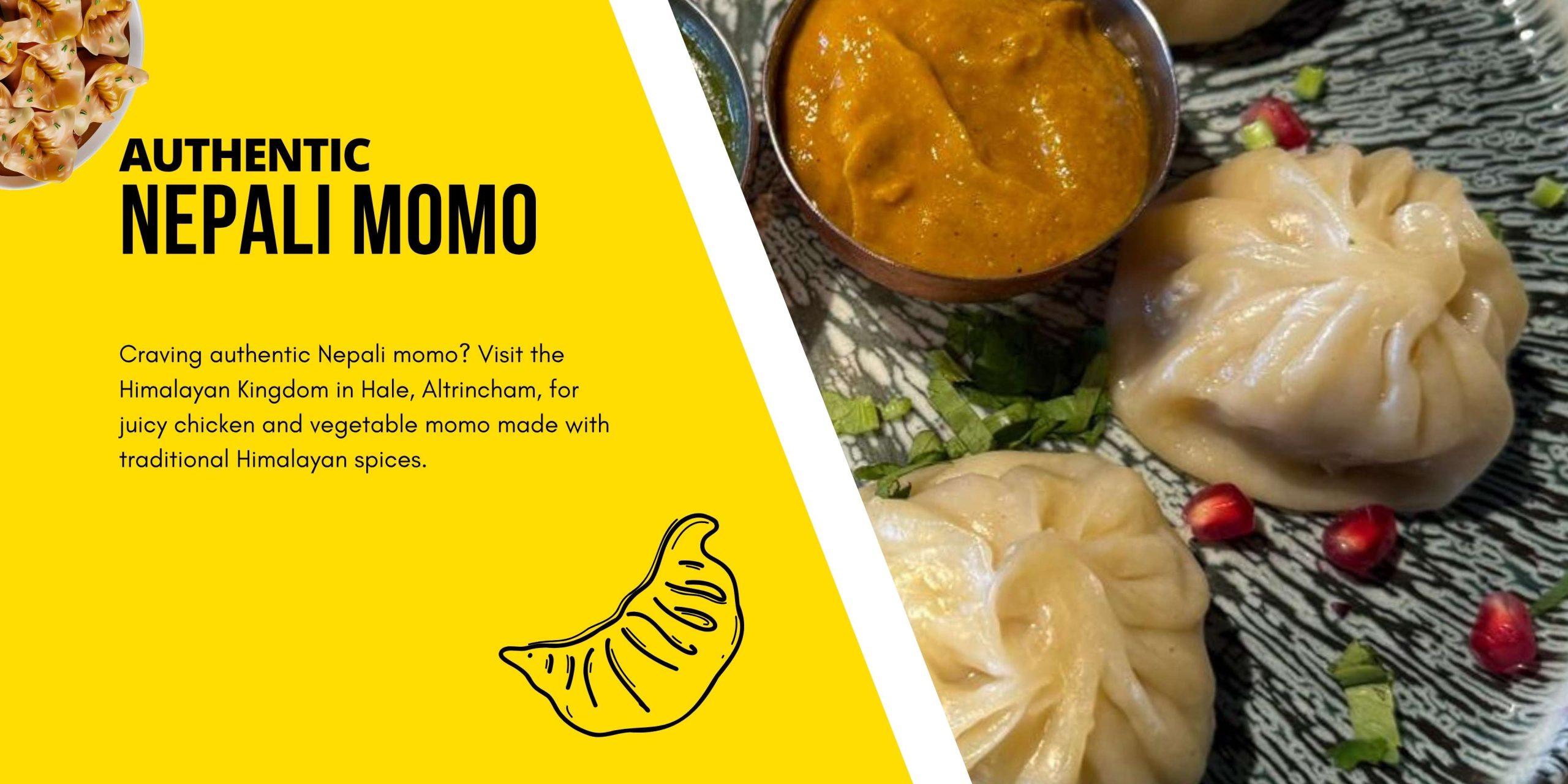
Imagine taking a bite of a soft, steaming momo. The wrapper is delicate and paper-thin, and inside is a warm, juicy filling packed with comforting spices. The flavor is rich, fragrant, and instantly satisfying, a taste that feels truly Nepali, and the best part? You don’t need to travel all the way to Kathmandu to enjoy this authentic experience.
At Himalayan Kingdom, tucked away in the heart of Hale, Altrincham, we bring you the most authentic Nepali momo in Greater Manchester, handmade daily, filled with care, and served the way they were always meant to be. Whether you’re a die-hard momo lover or trying them for the first time, our chicken momo and vegetable momo are unlike anything else you’ll find in the area.
Curious what makes ours so special? Keep reading, and by the end, you’ll know exactly why locals keep coming back for more.
What Makes Nepali Momo So Special?
Momo are the soul food of the Himalayas. Originally inspired by Tibetan dumplings brought into Nepal through trade routes, momo evolved into something entirely their own, shaped by Nepali culture, spices, and the warmth of mountain hospitality.
You’ll find momo across South and East Asia, but Nepali momo have a distinct identity. Tibetan momo tend to be thicker-skinned and heartier. Indian momo (popular in Delhi and Darjeeling) often lean more heavily on spices and oil. Nepali momo, by contrast, strike a beautiful balance of delicate wrappers, well-seasoned fillings that aren’t overwhelmingly spicy, and always served with a fiery, tangy achar (chutney) on the side.
What truly sets a great Nepali momo apart is the quality of the ingredients and the technique. The preparation of the dough requires achieving perfect elasticity; neither too thick for quick steaming nor too delicate to burst. The filling used here includes ingredients such as ginger, garlic, cumin, and coriander, which are mixed with Sichuan pepper, known as timur. These are ingredients sourced from the Himalayas, and they are used to enhance the flavor of the filling.
At Himalayan Kingdom, our momo are handmade daily in our Hale kitchen using traditional Nepali recipes passed down through generations. We don’t cut corners, we don’t use frozen pre-made wrappers, and we don’t compromise on flavor. Every momo that leaves our kitchen is made fresh, folded by hand, and steamed to perfection. Learn more about our story and team.
Our Signature Momo at Himalayan Kingdom
Juicy Chicken Momo
Our chicken momo are, quite simply, our most popular dish, and it’s easy to understand why.
The filling is prepared with minced chicken, freshly grated ginger, garlic, spring onions, coriander leaves, and a measured quantity of Nepalese spices. It makes for an extremely juicy and aromatic stuffing, which will fill you with delight with every subsequent bite.
The dough is rolled thin by hand, folded into the classic crescent shape, and steamed until just cooked through. When you pick one up, it holds its shape. When you bite in, the juices release. Our regulars tell us these are the closest thing to momo they’ve eaten back home, and for our Nepali and South Asian customers, that means everything.
Fresh Vegetable Momo
Great momo don’t require meat, and our vegetable momo are proof of that.
The filling is a vibrant mix of finely chopped cabbage, carrots, spinach, spring onions, and paneer, seasoned with the same Himalayan spice blend we use for our chicken version. It’s hearty, flavourful, and satisfying without feeling heavy.
Our vegetable momo are perfect for vegetarian and vegan diners (please ask our team about vegan-specific preparation). They’re also a brilliant option if you’re sharing plates and want to try a bit of everything, which we always recommend. See more of our popular dishes and plan your perfect meal. Explore Our Full Menu.
How We Serve Them
At Himalayan Kingdom, we serve our momo steamed as the classic preparation, which is how they’re eaten across Nepal, and it best showcases the quality of the filling and dough.
Every plate of momo comes with our house-made sesame and tomato achar, a chunky, slightly smoky dipping sauce with a real kick. It’s the perfect counterpoint to the gentle warmth of the momo itself. We also serve them alongside a fresh side salad to round out the dish.
Ask your server about our jhol momo, a soul-warming version served in a spiced broth when available as a seasonal special.
Why the Himalayan Kingdom Serves the Best Momo in Hale Altrincham
We know “best” is a bold claim. Here’s why we stand behind it:
Made fresh, every single day: We never serve momo that were frozen the night before. Our kitchen team prepares the dough and filling fresh each morning, so every momo you eat was made the same day.
Premium, quality ingredients: We source our chicken and vegetables carefully, choosing suppliers who meet our standards for freshness and quality. No fillers, no shortcuts, just real food cooked with intention.
Authentic recipes, not approximations: Many restaurants offer “momo” that are heavily adapted for a generic audience. Ours follow traditional Nepali recipes brought directly from the Himalayas by our team. The flavor profile is authentic, not watered down, not over-spiced for effect, but balanced and true.
Our guests say it best: We’re proud to be consistently rated among the top Nepali restaurants in Altrincham on Google, with guests praising our momo again and again.
We’ve become a local favorite not through marketing, but through the food itself and the community that’s gathered around our tables.
Perfect Pairings & Full Meal Ideas
Momo taste great as a stand-alone dish, but they become even more delicious when served as a component of a complete Himalayan feast. This is how we suggest serving your momo:
Start with momo, then follow with a warming bowl of thukpa, our Nepali-style noodle soup, rich with vegetables and broth. It’s the ultimate comfort combination, especially on a chilly Manchester evening.
If you’re going full Nepali, order the dal bhat set alongside your momo, lentil soup, steamed rice, seasonal vegetables, and pickle. It’s what Nepali families eat every day, and there’s a reason it never gets old.
Wash it all down with a pot of Nepali masala chai, sweet, spiced, and fragrant. Or, if you prefer something cooling, our mango lassi is the perfect balance to the heat of the achar.
Dining with family or a group? Ask about our sharing platters, which let you try momo alongside other starters for a real taste of Nepal. It’s the best way to introduce first-timers to the full range of our menu.
We also run occasional special Momo evenings and seasonal promotions. Follow us on social media or ask in-store to hear about upcoming offers.
Come Taste the Real Thing
You’ve read about them. You’ve imagined the steam rising from the plate, the thin dough giving way, the burst of spiced filling, the fiery hit of achar. Now it’s time to actually taste them.
At Himalayan Kingdom in Hale, Altrincham, we serve the most authentic Nepali momo you’ll find in Greater Manchester, made fresh every day, folded by hand, and served with the warmth that Himalayan hospitality is known for.
Whether you’re joining us for a full meal or popping in for a plate of momo and chai, we promise it’ll be worth the visit.
Visit Us in Hale: Easy Ways to Enjoy Our Momo Today
We’re easy to find and always happy to welcome you, whether you’ve booked ahead or you’re simply walking past and following your nose.
Opening Hours: Visit our website to find our working hours, which vary by season.
Dine In: Our restaurant seats guests in a warm, relaxed atmosphere inspired by Himalayan decor. Walk-ins are always welcome, though we recommend booking ahead for evenings and weekends.
Takeaway: Prefer to enjoy our momo at home? We offer takeaway, call us, or check our delivery partners for options.
Reserve your table now: Call us directly or find us on Google Maps by searching “Himalayan Kingdom Hale Altrincham”.
Frequently Asked Questions
1. Where can I find authentic Nepali momo in Hale Altrincham?
You can find authentic Nepali momo at Himalayan Kingdom in Hale, Altrincham. The restaurant serves freshly prepared chicken and vegetable momo made using traditional Himalayan spices and recipes, offering a true taste of Nepal.
2. What makes Nepali momo different from other dumplings?
Nepali momo are known for their thin dough wrapper and flavorful filling made with fresh herbs, garlic, ginger, and Himalayan spices. They are served with a spicy tomato-based chutney that gives them a unique taste compared to other Asian dumplings.
3. Are chicken and vegetable momo available at Himalayan Kingdom?
Yes, the Himalayan Kingdom offers both chicken momo and vegetable momo. Chicken momo are filled with seasoned minced chicken, while vegetable momo are filled with a mix of fresh vegetables such as cabbage, carrots, and onions.
4. Are Nepali momo healthy?
Steamed Nepali momo are considered a healthier dumpling option because they are cooked without deep frying. They are typically made with fresh ingredients and served steamed, making them light yet satisfying.
5. What sauce is served with Nepali momo?
Authentic Nepali momo are served with a spicy dipping sauce made from tomatoes, chili, garlic, and sesame seeds. This chutney enhances the flavor and gives momo its signature taste.
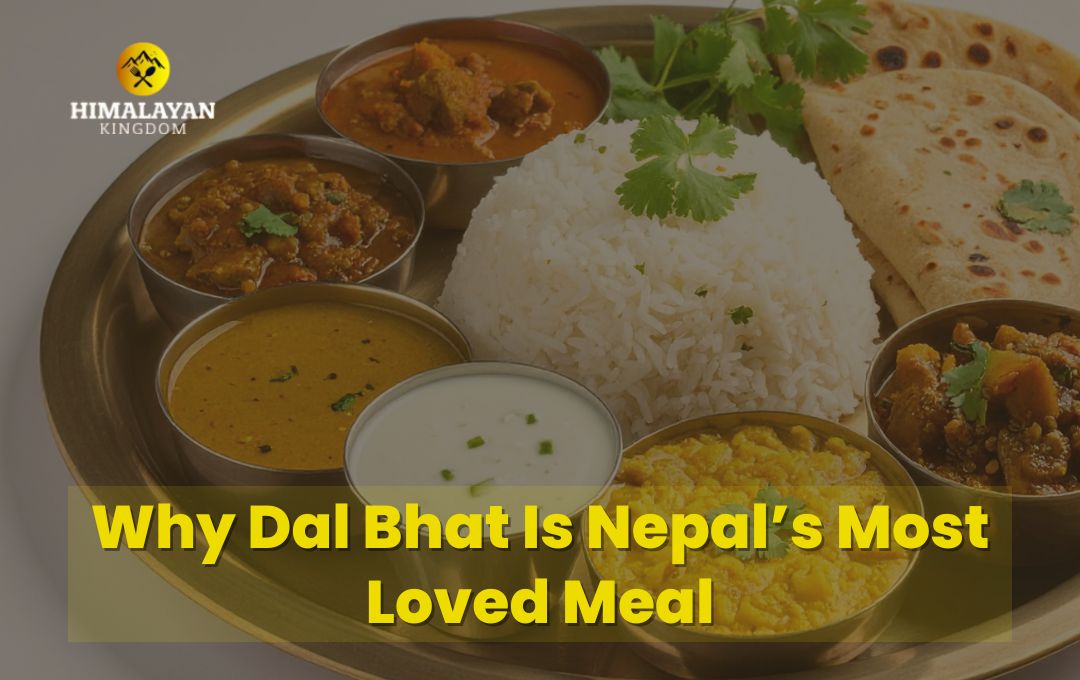
Imagine eating the same meal twice a day, every single day, and never getting bored of it. That’s the reality for millions of people across Nepal. And the meal at the centre of it all? Dal bhat.
It’s a simple dish. Rice and lentil soup.
But if you think that’s all there is to it, you’re missing the whole story. Dal bhat isn’t just Nepal’s national dish. It’s the heartbeat of everyday Nepali life. It’s routine, identity, comfort, and culture all served on one plate.
So why hasn’t it been replaced? Why, in a world of fast food and food trends, does this humble dish still rule the table, twice a day, every day?
Let’s get into it.
What Is Dal Bhat, Exactly?
Before we go deeper, here’s the quick version.
Dal bhat (also written as dal bhat tarkari) is a traditional Nepalese meal made up of:
Bhat: steamed rice
Dal: a warm, spiced lentil soup poured over or alongside the rice
Tarkari: a cooked vegetable side dish
Achar: pickle or chutney for a sharp, tangy kick
Sometimes meat, eggs, or saag (leafy greens) depending on the region and household
Think of it like a thali: a full, balanced spread on a single plate. It’s not a starter or a snack. It’s a proper, filling meal.
Now, here’s where it gets interesting.
Reason 1: It’s Built for Daily Life
One of the biggest reasons dal bhat is eaten every day across Nepal is simple: it just works.
Rice and lentils are cheap, widely available, and easy to store. Whether you’re in a city like Kathmandu, a hill village in the middle hills, or a remote settlement in the Himalayas, the ingredients for dal bhat are never far away. That makes it incredibly practical for everyday cooking.
It’s also easy to scale up. Cooking for two? Fine. Cooking for a family of eight plus unexpected guests? No problem, just add more rice and dal to the pot.
The popularity of Dal bhat isn’t trendy. It’s popular because it fits real life, and that kind of reliability is worth more than novelty.
Reason 2: It’s a Nutritional Powerhouse
There’s a saying trekkers hear all the time in Nepal: “Dal bhat power, 24 hour.”
It sounds like a fun slogan, but it’s actually rooted in truth.
When you break down what’s on a typical dal bhat plate, you get a surprisingly well-rounded meal:
Carbohydrates from the rice: steady, slow-releasing energy
Protein from the lentils: essential for muscle repair and keeping you full
Vitamins and minerals from the tarkari vegetables: particularly important for things like iron, potassium, and B vitamins
Probiotics and flavour from the achar: fermented pickles that support gut health
This balance is one reason Nepali people (including farmers doing hard physical work and trekking guides walking for hours at high altitude) rely on dal bhat morning and evening. It genuinely fuels the body all day.
For tourists and trekkers, this is often a revelation. Many switch to dal bhat after struggling with heavier foods at altitude, finding it easier on the stomach and more sustaining than anything else on the menu.
Reason 3: It’s Deeply Cultural
Here’s where most food articles fall short: they describe what a dish is, but not what it means.
Dal bhat isn’t just what Nepali people eat. It’s how they connect.
Meals in Nepal are rarely rushed or eaten alone. Dal bhat is served to family members, shared with guests, and offered to strangers passing through. In many households, eating together around a plate of dal bhat is one of the few moments of the day when everyone slows down.
There’s also a strong tradition of hospitality woven into this meal. Offering someone dal bhat (especially with unlimited refills, which is common) is a genuine expression of welcome and generosity. You’re not just feeding someone. You’re saying you’re welcome here.
For Nepali people living abroad, dal bhat often becomes the first thing they crave when homesick. It’s not just a dish. It’s a sensory reminder of home, family, and belonging.
That’s why understanding dal bhat meaning goes far beyond the ingredients. It’s a cultural anchor.
Reason 4: It Adapts Everywhere
One of the quiet strengths of dal bhat is how much variety hides within its familiar structure.
Across Nepal’s different regions, the meal shifts and changes based on what’s local and what’s in season:
In the Terai (the southern plains), dal bhat is often richer and spicier, with mustard greens and flatbreads common alongside it
In the middle hills, you’ll find more seasonal vegetables, locally grown lentils, and sometimes fermented dishes like gundruk (dried fermented greens)
In the Himalayas, portions tend to be larger and more calorie-dense to account for the cold and physical demands of the terrain
Add in variations between vegetarian and meat versions, regional spice blends, and the endless variety of chutneys and pickles, and you start to see that dal bhat is not a single dish. It’s a framework. The same foundation, endless variations.
That adaptability is a huge reason it works as a daily meal. It’s never exactly the same plate twice.
Reason 5: It’s the Ultimate Comfort Food
Ask any Nepali person what they’d want to eat after a long journey, a tough day, or a period of time away from home, and the answer is almost always the same.
Dal bhat.
There’s something deeply comforting about a meal you’ve eaten your whole life. The smell of the dal simmering, the warmth of the rice, the familiar tang of the pickle. It’s not just food. It’s reassurance.
Nepali students studying abroad, workers in Gulf countries, families scattered across continents. Many describe their first proper meal back home as dal bhat. Not because there’s nothing else to eat. But because nothing else feels quite like home.
That emotional weight is real, and it’s part of why this meal has held its place for generations while food trends have come and gone around it.
Dal bhat has a way of winning over even the most sceptical visitors.
It doesn’t matter whether you’re a trekker on a mountain trail, a traveller exploring Kathmandu’s streets, or someone just passing through for a few days. Dal bhat tends to find you, and once it does, it sticks.
Part of it is how easy it is on the body. It’s warm, light, and genuinely filling without leaving you heavy or sluggish. For anyone adjusting to a new country, new climate, or new altitude, that matters more than you’d think.
Part of it is the value. A full, freshly cooked plate costs very little almost anywhere in Nepal. Many places even top up your rice and dal without being asked, which says a lot about the culture behind the meal.
But mostly, it’s the taste. Simple, spiced, satisfying. There’s nothing unfamiliar or intimidating about it. It’s the kind of food that feels welcoming from the very first bite.
By the end of most trips, visitors aren’t just tolerating dal bhat. They’re ordering it on purpose. And when they get home, it’s often the first thing they find themselves missing.
Dal Bhat in the UK Bringing It Closer to Home
You don’t have to fly to Kathmandu to experience it.
Nepalese restaurants across the UK, including here at Himalaya Kingdom serve dal bhat and traditional Nepalese meals that give you a genuine taste of this culture. It’s a chance to go beyond the usual curry house experience and discover what Nepali people actually eat every day.
Of course, restaurant versions may be slightly adapted portioned differently, served in a more familiar dining setting but the core of the meal remains the same. The lentils, the rice, the spiced vegetables, the pickles. And the spirit behind it: simple food, done well, with care.
If you’re curious about traditional Nepalese meals and want to understand Nepali food culture, starting with dal bhat is the right move. It’s not the flashiest dish on the menu. But it’s the most honest one.
Conclusion
Dal bhat isn’t trendy. It doesn’t have a fancy origin story or a celebrity chef behind it. It hasn’t gone viral or been reimagined as a fusion concept.
It’s just a bowl of rice, a ladle of lentil soup, and a handful of sides eaten twice a day by millions of people across Nepal, generation after generation.
And that consistency is exactly the point. Dal bhat has survived because it works nutritionally, practically, culturally, and emotionally. It’s affordable enough for everyday life and nourishing enough to fuel a full day of work or trekking. It brings people together and makes strangers feel welcome.
Most of all, it means something. In Nepal, dal bhat isn’t just loved.
Dal bhat literally translates to “lentils and rice” in Nepali. Dal refers to the spiced lentil soup, and bhat means cooked rice. Together with vegetable sides and pickle, it makes up Nepal’s most popular everyday meal.
Why do Nepali people eat dal bhat twice a day?
It comes down to a mix of practicality, nutrition, and culture. Dal bhat is affordable, filling, and easy to cook in large amounts. It provides a good balance of carbohydrates, protein, and vegetables, which gives sustained energy throughout the day. It’s also deeply tied to daily routine and family life, making it much more than just a convenient meal.
Is dal bhat healthy?
Yes, dal bhat is considered a well-balanced meal. The rice provides carbohydrates for energy, the lentils deliver plant-based protein, and the vegetable sides add vitamins and minerals. When eaten with seasonal greens and fermented pickle, it covers most of your nutritional needs in one plate.
What is the difference between dal bhat and dal bhat tarkari?
Dal bhat refers to the rice and lentil soup base. Dal bhat tarkari simply means the full meal, with tarkari being the cooked vegetable dish served alongside. Most people use both terms to describe the same complete plate.
Can you try authentic dal bhat in the UK?
Yes. A number of Nepalese restaurants across the UK serve dal bhat as part of their menu, including Himalaya Kingdom. While the setting may differ from a family kitchen in Kathmandu, the flavours and spirit of the meal carry through. It’s one of the best ways to get a real taste of Nepali food culture without travelling to Nepal.
If you’ve ever looked at a South Asian restaurant menu and thought Nepalese and Indian food are basically the same, you’re not alone. It’s a very common assumption.
Both cuisines use similar spices and are built around sharing food together. But when you actually taste them side by side, the differences quickly become clear.
This guide walks you through five key differences between Nepalese and Indian food you can actually taste, along with the dishes that best show them off.
Difference Between Nepalese and Indian Cuisine at a Glance
Before we get into the details, here’s the short version. Nepalese cuisine tends to be lighter, more herb-forward, and rooted in Himalayan simplicity. Indian cuisine is known for its richness, complex spice layering, and the bold, slow-cooked depth of its curries and tandoori dishes.
Both are deeply satisfying. Both have a strong street food culture. And both use many of the same base spices. The difference lies in how those spices are used, what they’re paired with, and the cooking traditions behind each dish.
Why Nepalese and Indian Food Are Often Compared
It makes sense that people group them together. Nepal shares a long border with India, and centuries of trade, migration, and cultural exchange have left their mark on both kitchens.
Cumin, turmeric, ginger, garlic, and coriander appear in both cuisines. Many restaurants in the UK also serve both traditions on the same menu, which reinforces the idea that they’re interchangeable.
But geography and shared ingredients only tell part of the story. Nepal also borders Tibet and sits at the foot of the Himalayas, which has shaped its cuisine in completely different ways. The result is a food culture that feels distinct from Indian cooking once you actually taste it.
Nepalese vs Indian Food: Key Differences in Taste and Cooking
The simplest way to describe the difference is this: Nepalese food is ingredient-led, while Indian food is sauce-led. Nepalese dishes tend to let the natural flavours of meat, vegetables, and lentils come through with spices playing a supporting role.
Indian cooking, particularly its curries and marinades, builds flavour through layering and long cooking times.
That said, both cuisines have incredible range. Neither can be reduced to a single style. What follows are five differences that consistently show up when you compare the two.
1. Dumplings vs Fried Snacks
This is probably the most obvious difference, and the one most people notice first.
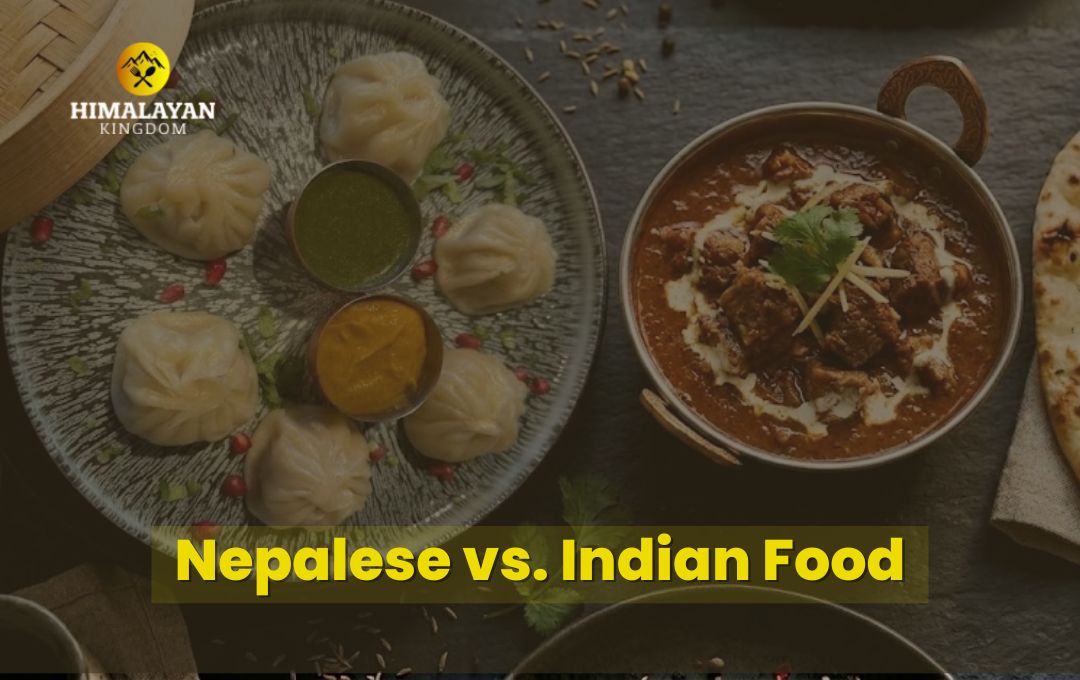
Nepalese cuisine is built around the momo. These steamed dumplings are filled with spiced meat or vegetables, folded by hand, and cooked until soft and juicy. They’re served with a dipping sauce that’s usually tangy, spicy, and sharp all at once.
Veg Steam Momo, Chicken Steam Momo, and Chicken Jhol Momo (served in a rich, spiced broth) are all perfect examples of how central dumplings are to Nepalese food culture.
Indian starters go in a very different direction. Onion Bhaji, Aloo Tikki, and homemade Samosas are all about the fry. Crispy on the outside, warmly spiced inside, and deeply rooted in the street food tradition that runs through Indian cooking.
The textures and cooking methods are completely different from a delicate steamed momo. To see what great momos actually look and taste like, our piece on the best momo in Altrincham goes into the details.
2. Fresh Himalayan Flavours vs Indian Chaat
Street food is where both cuisines reveal their personalities most clearly, and the contrast here is striking.
Nepalese street food is fresh, punchy, and direct. Dishes like Nepali Chatpat and Avocado Chatpate are tangy and spicy with a herb-forward quality that feels light and vivid.
There’s less reliance on cooked-down chutneys and more emphasis on raw, bright ingredients that hit your palate immediately.
Indian chaat does something very different. Papadi Chaat, Pani Puri, Bhel Puri, and Dahi Puri are all about layering contrasting flavours into a single bite. Sweet tamarind chutney, sharp green chutney, cool yoghurt, crunchy fried dough, and a kick of chilli all land at once.
The effect is genuinely complex, and it’s a style of eating that’s hard to find anywhere else in the world.
Neither approach is superior. They’re just different philosophies about what street food should do.
3. Himalayan Grills vs Tandoori Cooking
Both cuisines grill brilliantly, but the techniques and flavour profiles are very different.
Nepalese grilled food is rustic and fiery. Chicken Choila, a traditional Newari dish, sees chicken chargrilled and then tossed with mustard oil, green chilli, ginger, and garlic. The result is smoky, spicy, and intensely flavoured without any heavy marinade getting in the way.
Lamb Chops and Tareko Seabass follow a similar approach: let the fire and a handful of bold seasonings carry the dish.
Indian tandoori cooking is all about the marinade. Chicken Tikka, Paneer Tikka, and Tandoori Chicken are prepared by marinating the protein in spiced yoghurt for several hours before cooking in a clay tandoor oven at very high heat.
The yoghurt tenderises the meat and creates that distinctive charred exterior with a soft, aromatic centre. Seek Kebab works similarly, with minced meat on skewers cooked over direct heat.
This difference becomes most obvious when you order a full main course.
Nepalese main dishes are built around balance rather than richness. A Nepalese Chicken Thali or Lamb Thali brings together lentil soup, rice, a curry, pickles, and seasonal vegetables, each element playing a specific role.
The Mustang Lamb Curry and Nepali Fish Curry use spices carefully, but the sauces stay lighter, letting the quality of the ingredients speak for themselves. Eating a Nepalese thali feels nourishing and grounding rather than heavy.
Indian curries are famous for exactly the opposite. Butter Chicken gets its depth from tomatoes, cream, and slow-cooked spices. Lamb Rogan Josh builds complexity through a lengthy cooking process.
Chicken Tikka Masala delivers smoky grilled chicken in a thick, indulgent sauce. Dal Makhani simmers overnight to reach its signature velvety consistency. These dishes are unapologetically rich, and that richness is the point.
If you’re still getting to know Indian cuisine, ourguide to Indian cuisine for beginners offers a helpful overview of the key dishes and flavour profiles to know.
5. Dumpling Culture vs Bread and Curry Pairings
The final difference shows up in how each cuisine structures the act of eating itself.
In Nepalese dining, momos often function as a complete dish on their own. Veg Steam Momo, Chicken Fried Momo, and Veg Jhol Momo can each be ordered as a starter or as a satisfying main. They come with dipping sauces, not bread, and the experience is self-contained.
Dumplings are also a social food in Nepal: something you make together, share around a table, and eat in generous quantities.
In Indian dining, bread is foundational. Garlic Naan, Peshwari Naan, Tandoori Roti, and Lachha Paratha aren’t just sides. They’re the vehicle through which you eat the curry, scoop up the dal, and experience the meal. The relationship between bread and curry is so central to Indian food that eating one without the other feels incomplete.
Popular Nepalese and Indian Dishes You Should Try
If you want to taste these differences for yourself, here are some dishes worth putting on your list.
For Nepalese food, start with a plate of Chicken Steam Momo or Chicken Jhol Momo to understand the dumpling tradition. Follow that with Chicken Choila for the smoky, chilli-forward grill style, and finish with a Nepalese Lamb Thali to see how a full Himalayan meal comes together. Nepali Chatpat is also worth trying if you want to experience Nepalese street flavours at their most vibrant.
For Indian food, Papadi Chaat or Pani Puri give you a proper introduction to the chaat tradition. Chicken Tikka Masala and Lamb Rogan Josh show off the richness of Indian curry cooking, while Garlic Naan or Lachha Paratha complete the experience. And if you haven’t tried a great Biryani yet, our guide to thebest Biryani in Altrincham is a great starting point.
Where to Experience Authentic Nepalese and Indian Food
The good news is you don’t have to choose between the two. Some restaurants bring both traditions to the same menu, letting you explore momos alongside Butter Chicken, or a Nepalese Thali next to Garlic Naan and Rogan Josh.
It’s actually one of the most enjoyable ways to understand both cuisines: tasting them side by side makes the differences far more obvious than any description can.
If you’re based in or visiting the nearby area from Altrincham, Himalayan Kingdom at Hale can give you the authentic taste of both Nepalese and Indian cuisine.
Conclusion
Nepalese and Indian food share deep roots, but they’ve grown into genuinely distinct cuisines with their own identities, techniques, and flavour philosophies. From the soft, juicy momo to the rich depths of a Lamb Rogan Josh; from the fresh punch of Chatpate to the layered complexity of Papadi Chaat; each tradition offers something the other simply doesn’t replicate.
If you’ve only ever experienced one, you’re missing half the picture. And if Nepalese food is still new to you, it’s worth approaching it with curiosity rather than comparison. It stands very comfortably on its own terms.
FAQs
Is Nepalese food spicier than Indian food?
Not necessarily. Both cuisines use chilli, but Nepalese food often channels heat through fresh chillies and mustard oil rather than spice blends. Indian food can range from very mild (like Butter Chicken) to intensely hot, depending on the dish and region.
Do Nepalese and Indian restaurants serve the same dishes?
Some overlap exists, particularly with rice dishes and certain curries. But signature Nepalese dishes like momos, Choila, and Dal Bhat are distinct, just as Indian dishes like Biryani, Tikka Masala, and Chaat are specific to that tradition.
Is Nepalese food the same as Indian food?
No. While they share some spices and history, Nepalese and Indian cuisine are distinct culinary traditions with their own techniques, signature dishes, and flavour philosophies, from momos and Dal Bhat to Biryani and Tikka Masala.
Is Nepalese food vegetarian-friendly?
Yes. Nepalese cuisine has a strong tradition of vegetarian cooking, with dishes like Veg Steam Momo, lentil-based Dal, and seasonal vegetable curries. Indian cuisine is similarly rich in vegetarian options.
What is the most iconic Nepalese dish?
Momos are probably the most recognised Nepalese dish internationally. Dal Bhat, a combination of lentil soup, rice, and accompaniments, is the everyday national staple in Nepal.
Where can I try authentic Nepalese and Indian food in Altrincham?
Yes. Himalayan Kingdom in Hale, Altrincham serves authentic Nepalese and Indian cuisine, from traditional dishes like Jhol Momo and Choila to Indian classics, all made with high quality ingredients.
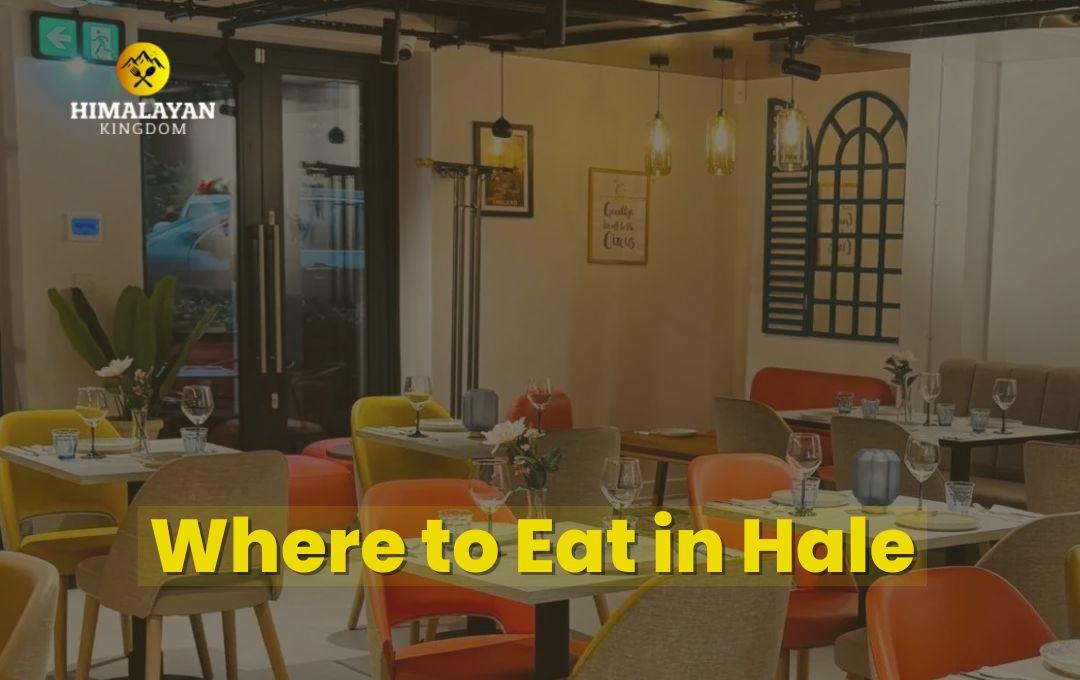
If you’re searching for great places to eat in Hale, you’ve come to the right place. This picturesque village in Greater Manchester has evolved into a genuine foodie destination, offering an impressive mix of cuisines that cater to every taste and occasion.
From intimate date-night spots to family-friendly restaurants and everything in between, Hale’s dining scene punches well above its weight for a village of its size.
What makes Hale special isn’t just the variety, it’s the quality. Restaurant owners here are passionate about what they serve, whether that’s perfectly executed modern British fare, authentic international cuisine, or innovative fusion dishes.
In this guide, we’ll walk you through the best restaurants in Hale, helping you discover your next favourite dining spot in this vibrant village.
Why Hale Has Become One of Greater Manchester’s Top Food Destinations
A Village Known for Quality Dining
Hale’s reputation as a dining hotspot didn’t happen overnight. The village has cultivated an upscale yet relaxed dining culture that attracts food lovers from across the region. Unlike generic high street chains, restaurants here focus on delivering genuine quality, from carefully sourced ingredients to attentive service that makes every visit special.
Global Flavours in One Walkable Area
What makes Hale particularly exciting is its incredible diversity packed into a walkable village setting. Within minutes, you can transition from British comfort food to authentic Mediterranean flavours, or discover the rich, aromatic spices of South Asian cuisine.
This variety means there’s always something new to explore, and increasingly, diners are seeking out restaurants that offer genuine cultural authenticity rather than watered-down versions designed to please everyone.
Local Restaurants That Focus on Experience, Not Just Food
The best restaurants in Hale understand that dining is about more than what’s on the plate. It’s about atmosphere, hospitality, and creating moments worth remembering.
The village’s top spots have mastered this balance, offering environments where you can celebrate special occasions, enjoy relaxed family dinners, or simply unwind after a long day.
Best Restaurants in Hale You Shouldn’t Miss
Authentic Nepalese & Indian Cuisine Worth Discovering
When it comes to standout dining experiences in Hale, authentic Himalayan cuisine has carved out a special place. Traditional Nepalese and Indian dishes prepared using time-honoured methods and fresh ingredients offer something genuinely different from standard curry house fare.
These restaurants transport you through their food, presenting flavours and techniques passed down through generations.
Must-try dishes in this category include momos, which are delicate Nepali dumplings that are steamed or fried to perfection, and thukpa, a warming Himalayan noodle soup that’s both comforting and complex.
Dal bhat, considered the national dish of Nepal, offers a complete meal experience with lentil soup, rice, and accompanying curries that change daily. For those who love rich, creamy curries, butter chicken remains a perennial favourite, while traditional preparations showcase the depth that proper spice blending can achieve.
What makes authentic Himalayan dining special is the attention to detail and cultural pride evident in every dish. These aren’t recipes simplified for Western palates but genuine preparations that respect traditional cooking methods.
For anyone seeking places to eat in Hale village that offer something beyond the ordinary, exploring this cuisine is essential. Himalayan Kingdomexemplifies this approach, known for authentic Nepali cuisine, momo, curries, and traditional recipes that have won over locals and visitors alike.
Modern British Restaurants
Hale also excels at contemporary British dining, where seasonal menus celebrate local ingredients. These establishments often change their offerings based on what’s fresh and available, creating dishes that feel both familiar and innovative. It’s British food done properly, with no frills, just excellent technique and quality produce.
European & Mediterranean Dining
Italian trattorias, Spanish tapas bars, and continental restaurants add a European flair to Hale’s dining landscape. These spots are perfect for leisurely meals with friends, offering shareable plates and extensive wine lists that encourage you to slow down and savour the experience.
Casual Cafés and Relaxed Dining Spots
Not every meal needs to be an occasion. Hale’s café culture provides excellent options for brunch, light lunches, or afternoon coffee. These casual spots maintain the village’s commitment to quality while offering a more laid-back atmosphere perfect for catching up with friends or working remotely.
How to Choose the Best Restaurant in Hale
Choose Based on Authenticity
When deciding where to eat in Hale, consider seeking out restaurants with genuine cultural roots. Places that specialise in their native cuisine, whether that’s Italian, Indian, Nepalese, or British, typically deliver far more memorable meals than those trying to cover every base. Authentic restaurants bring depth of flavour and cultural knowledge that simply can’t be replicated by generic menus.
Consider the Dining Atmosphere
Think about the experience you’re after. Are you planning a romantic date night, a lively family gathering, or a casual catch-up with friends? Hale offers options across the spectrum, from intimate candlelit spaces to bustling, energetic restaurants. The best choice depends on your mood and occasion.
Look for Signature Dishes
Restaurants confident enough to highlight signature dishes usually know what they’re doing. These specialities have often been perfected over years and represent the kitchen at its best. Don’t be afraid to ask staff for recommendations, as they’ll typically steer you toward the dishes that keep regulars coming back.
Why Authentic Nepalese and Indian Cuisine Stands Out in Hale
Among Hale’s diverse dining options, Himalayan Kingdom has gained particular recognition for good reason. The cuisine offers a perfect balance of spices, comfort, and complexity that appeals to adventurous eaters and those seeking familiar warmth alike. Traditional dishes like momo, thukpa, and dal bhat provide experiences you simply can’t find at typical curry houses.
The rising popularity of Nepalese foodreflects a broader trend toward appreciating regional authenticity. Diners increasingly want to understand the stories behind their meals and taste genuine cultural traditions.
This shift has elevated restaurants that honour their heritage, making them some of the best restaurants in Hale Altrincham for those seeking meaningful dining experiences.
Hale’s dining scene offers impressive variety and consistent quality across cuisines. For those seeking authentic flavours and genuine cultural experiences, dining at Himalayan Kingdom offers memorable meals that showcase traditional preparation and warm hospitality.
Whether you’re a local or visiting from nearby areas like Altrincham, Bowdon, Timperley, Sale, or Manchester city centre, Hale is just a short journey away and well worth the trip for quality dining. The village’s walkable layout makes it easy to explore multiple spots in one visit, and its convenient location in Hale means you can enjoy an exceptional meal without travelling far.
Faqs
What is the best restaurant in Hale for authentic cuisine?
For authentic cuisine in Hale, Himalayan Kingdom stands out with its traditional Nepalese and Indian dishes. Using fresh ingredients and time-honoured recipes, it offers authentic taste including momo, thukpa, and dal bhat that you won’t find at typical restaurants.
Are there good Indian and Nepalese restaurants in Hale?
Yes, Hale has excellent Indian and Nepalese dining options. Himalayan Kingdom specializes in authentic Nepali and Indian cuisine, serving traditional dishes prepared with authentic spices and cooking methods. The restaurant is known locally for its momo, curries, and warm hospitality.
Where can I eat authentic momo in Hale?
Himalayan Kingdom at 4 Crown Passages, Altrincham serves authentic Nepali momo. These traditional dumplings are prepared fresh using genuine recipes and can be enjoyed steamed or fried. They’re a must-try for anyone exploring authentic Himalayan cuisine in the area.
What are the most popular restaurants in Hale village?
Hale village offers diverse dining from modern British to Mediterranean cuisine. Popular choices include authentic Nepalese and Indian restaurants like Himalayan Kingdom, contemporary British eateries with seasonal menus, Italian trattorias, and casual cafés.
Craving that juicy, smoky, fire-kissed tandoori chicken, but keep ending up with dry bites or bland flavours around Altrincham? You’re definitely not alone.
A dish this famous deserves better than microwaved reheats or oven-baked imitations. For foodies who seek bold spices and flavourful taste, finding authentic tandoori is a real struggle.
But there’s a place that gets it right, the Himalayan Kingdomin Hale, a top-rated Nepalese and Indian restaurant known for its dedication to real flavour. The traditional cooking method of tandoori chicken in a burning clay oven preserves its juicy softness and smoky scent.
What Makes Tandoori Chicken So Special?
A flavorful traditional Indian dish that has survived over time, Tandoori chicken is more than just another grilled dish. It blends fire, spice, and technique and is well-liked in North India.
The following explains why it is unique before you take your first bite:
Deep Marinade: Chicken is marinated for hours, sometimes overnight, in a blend of ginger, garlic, yoghurt, lemon juice, and spices like turmeric, cumin, coriander, and garam masala.
High-Heat Cooking: It’s cooked inside a tandoor, a traditional clay oven, at temperatures exceeding 400°C. This gives it a crisp, charred surface and a juicy core.
Balanced Texture: The contrast of smoky, slightly crispy skin with tender meat is unforgettable.
Perfect Pairings: It shines when paired with warm tandoori roti or fragrant basmati rice, offering a complete meal experience.
That charred outer layer and subtle smoky taste? You can’t fake that in a regular oven.
Himalayan Kingdom: Where Tradition Meets Taste
As soon as you walk into Himalayan Kingdom, the smell of spices and friendly faces will greet you. This restaurant has become a landmark for genuine Nepalese and Indian food.
When it comes to food, these cooks are very traditional. The marinade for their tandoori chicken is made in-house using family recipes that have been passed down for generations. Every day, fresh chicken is used, never frozen. The sauce is made with yoghurt, ginger, crushed garlic, and a mix of traditional North Indian spices. This mix gets into the meat really well, so every bite is full of flavour.
But what’s the real secret? A real tandoor made of clay. Every day, this oven is heated up so that some foods can have their unique taste and texture. Many places don’t do this kind of art, but Himalayan Kingdom does.
Whether you’re enjoying a quiet dinner or picking up takeaway, each order reflects passion, culture, and an honest love for cooking. It’s not just about eating—it’s about discovering authentic Nepali & Indian cuisine in Altrincham that leaves a lasting impression.
Why It’s the Best Tandoori Chicken in Altrincham
Let’s look into what makes the tandoori chicken at Himalayan Kingdom the best in Altrincham.
First, the materials are perfect. Only the best chicken from nearby farms is used. It isn’t frozen or partially cooked. Each piece is coated in a generous blend of yoghurt and ground spices, including paprika for colour, cumin for warmth, and chilli powder for a gentle kick.
Next is the method of cooking: in a clay tandoor oven. This method of cooking at high heat chars the chicken’s skin just enough to create a smoky crust while keeping the meat moist. It gets crispy on the outside and juicy and spicy on the inside. Don’t eat dry meat. No edges that are burned. Just real, well-balanced taste.
Looking for the full experience? Order it with a fresh tandoori roti and dal makhani on the side. These pairings round out the dish and add layers to your meal.
If you’re looking for food in Altrincham, the tandoori chicken at Himalayan Kingdom is not just a dish; it’s a culinary treat that you have to try. This one never lets you down, whether it’s your first time or your fiftieth.
More Than Just Chicken: The Full Experience
While the authentic tandoori chicken steals the spotlight, your meal at Himalayan Kingdom is far from a one-dish wonder. The entire dining experience is crafted to complement and elevate the flavours on your plate.
Here’s what else makes the experience unforgettable:
Try with smoky tandoori roti or soft butter naan—some of the best Indian sides in Altrincham—for that authentic, straight-from-the-oven taste.
Start with momo dumplings or lamb biryani, two house favourites that show off the depth of Nepalese and Indian cuisine.
Finish with lassi or masala chai, perfect for cooling off after a spicy meal and sealing the experience with something sweet and comforting.
Every dish is made fresh, and the staff are happy to guide you if you’re new to Indian food. Whether dining in or taking out, it’s a taste tour you’ll want to repeat.
Conclusion
Himalayan Kingdom in Hale, Altrincham, is your go-to spot in Altrincham for flavour-packed, authentic tandoori chicken. Prepared using time-honoured Indian marinades and traditional tandoor techniques, every bite pays homage to Indian culinary heritage.
Our menu also features a wide variety of authentic Nepalese and Indian dishes, from sizzling curries to freshly baked naan. This place is a must-see for both locals and tourists.
What makes Himalayan Kingdom’s tandoori chicken unique?
It’s made with a time-honoured marinade and cooked in an authentic clay tandoor oven, giving it a smoky char and juicy texture that’s hard to find elsewhere.
Is the tandoori chicken very spicy?
Not necessarily! You can customise your spice level—from mild to fiery. The focus is more on deep, warm flavours than just heat.
Can I get this for takeaway or delivery?
Yes, absolutely. Himalayan Kingdom offers both takeaway and home delivery through popular platforms, so you can enjoy it from the comfort of your own home.
Are there vegetarian options too?
Definitely. Himalayan Kingdom serves vegetarian tandoori dishes, curries, and starters like momo, samosas, and paneer tikka for a full veg-friendly menu.
Momo has become a loved dish in Altrincham. Many people now search for good Nepalese dumplings. They want fresh flavours, soft dough, and a rich taste. They also want places that serve real Nepalese dishes. Himalayan Kingdom meets all these needs. Their focus on freshness makes their momo stand out. It also helps the restaurant become a top choice for Nepalese food lovers.
Many locals want the best momo in Altrincham. They want quality and taste. They also want a place that offers variety. Himalayan Kingdom offers both. The restaurant prepares momo with care and skill. Every plate carries a taste of Nepal. This makes the dining experience warm and memorable.
The Rise of Momo in Altrincham
Momo has grown in popularity across the town. It is easy to eat. It is full of flavour. It has a strong cultural origin. Many people try momo for the first time and enjoy it. The texture feels soft. The filling tastes rich. The spice level feels balanced. Because of this, momo suits many taste groups.
People search for momo in Altrincham for many reasons. Some want comfort food. Some want a quick snack. Some want a full meal with bold flavours. Himalayan Kingdom offers momo for all these needs. The menu includes steamed, fried, jhol, chilly, cheese, and loaded momo. Each option gives a unique taste.
What Makes a Great Momo
A good momo has soft dough. The filling tastes juicy and fresh. The spices offer a balanced hit. The dipping sauce adds extra flavour. A momo feels satisfying when the dough and filling blend well. Himalayan Kingdom pays close attention to these details. Their chefs follow traditional methods. They prepare dough fresh. They make fillings every day. This helps the momo taste authentic.
The restaurant also focuses on consistency. Customers get the same great taste in every visit. This builds trust. It builds loyalty. It also helps Himalayan Kingdom stand out.
Himalayan Kingdom and Its Culinary Style
Himalayan Kingdom is known for real Nepalese flavours and Best Nepalese Restaurant in Altrincham. They prepare traditional recipes with fresh ingredients. Their chefs come from Nepal. They know how momo should taste. They know how spices should blend. They understand how to create dishes that reflect their culture.
The restaurant has a warm setting. The interior feels simple and welcoming. Families, friends, and food lovers visit the place often. Himalayan Kingdom is in a convenient spot in Altrincham. It is easy to reach and easy to explore.
The restaurant also offers halal momo in Altrincham. This matters for many dining groups. It allows more people to enjoy Nepalese dumplings with comfort and trust. Himalayan Kingdom prepares halal chicken momo with care. They follow proper sourcing and handling methods.
Steam Momo: A Classic Choice
Steam momo is the most classic dish on the menu. These dumplings have soft dough and a juicy centre. The steam locks in flavour. It keeps the filling tender. Steam momo has a mild spice level. It suits most people. It also comes with a dipping sauce. The sauce adds a warm and tangy taste.
Steam momo is a great choice for first timers. It is also loved by long time momo fans. Many customers say it feels light yet filling.
Fried Momo: A Crunchy Delight
Fried momo offers a crisp twist. The outer layer turns golden and crunchy. The inside stays soft and juicy. Many people enjoy its texture. It gives a great contrast. Fried momo suits customers who want a snack with a bold bite.
It comes with the same dipping sauce. The warm and spicy sauce mixes well with the crisp shell. Many young customers prefer this dish. It has become very popular in Altrincham.
Chilly Momo: A Spicy Favourite
Chilly momo adds heat and bold flavours. The momo is tossed in a spicy mix. The sauce has peppers, onions, and herbs. It gives a smooth yet strong flavour. Chilly momo suits people who enjoy spicy food. It feels rich and exciting.
This dish has become a top pick among students and spice lovers. Many say it brings the perfect balance of warmth and taste.
Jhol Momo: A Traditional Nepali Bowl
Jhol momo is a famous dish in Nepal. It comes in a warm and tangy broth. The soup feels rich and comforting. The momo sits inside the broth. It soaks up the flavour. This makes each bite feel soft and juicy.
Jhol momo feels like a classic home style dish. It is ideal on cool evenings or rainy days. Many customers visit Himalayan Kingdom just for this dish.
Cheese Momo: A Fun Twist
Cheese momo brings a creamy taste. The filling melts inside the dough. It offers a unique Nepalese fusion. Kids enjoy it. Many adults love the soft and rich texture. It pairs well with mild sauces.
Cheese momo is a great option for people who want something new. It adds variety to the menu and gives a fresh take on dumplings.
Loaded Momo With Chips: A Modern Snack
Loaded momo with chips feels fun and exciting. It mixes crunchy chips with warm momo. The toppings include sauces, herbs, and spices. It suits people who want a filling and enjoyable snack. It works well for groups or families.
This dish shows how Himalayan Kingdom blends modern taste with Nepalese food culture. It adds creativity to the menu and attracts younger customers.
Why Himalayan Kingdom Serves the Best Momo in Altrincham
Himalayan Kingdom offers fresh ingredients. The chefs use real recipes. The flavours stay true to Nepalese cuisine. The texture stays right. The fillings stay juicy. This level of care makes the momo stand out.
The restaurant also offers a variety of momo for every taste. Steam, fried, jhol, chilly, cheese, and loaded momo all bring something different. This wide selection helps the restaurant stay a top choice for the best momo in Altrincham.
Many locals and visitors praise the taste. They highlight the freshness. They talk about the pleasant aroma. They trust the quality. This strong reputation grows each year.
Many customers search for halal momo in Altrincham. Himalayan Kingdom offers halal chicken options. This allows more people to enjoy the signature dishes. The restaurant takes care of proper sourcing. This builds trust among halal food seekers. The chefs cook with attention and respect.
This is one reason why the place becomes the go to spot for momo lovers from diverse groups.
Momo Delivery for Busy Days
People often look for momo in Altrincham delivery. They want something quick and warm at home. Himalayan Kingdom offers delivery options through local platforms. Delivery helps busy workers and students. It helps families who want a comfortable meal. It also helps new customers try momo for the first time.
The food remains fresh during delivery. The packaging stays neat and safe. The experience feels simple and smooth. Order now
What Customers Love About Himalayan Kingdom
Customers love the warm taste. They enjoy the rich aroma. They praise the fresh fillings. Many highlight the calm setting of the restaurant. Others admire the polite service. They feel the staff understands their needs. Families enjoy the menu variety. Young adults enjoy the spicy dishes.
Many reviews talk about the consistency. People return again and again. They trust the quality and taste.
Conclusion
Himalayan Kingdom – Nepali & Indian Cuisine in Altrincham stands out for its Nepalese flavours. The restaurant serves the best momo in Altrincham. It offers many varieties. It also offers halal options. The place feels welcoming. The taste stays reliable. The service feels warm.
If you want real Nepalese dumplings, this is the right place. You can enjoy dine in or choose delivery. You can visit with friends or family. You can try steam, fried, jhol, cheese, chilly, or loaded momo. Each dish offers a special taste and experience.
Himalayan Kingdom keeps growing with trust, flavour, and local love. It has become a favourite for momo lovers across Altrincham.
FAQ’s about Best Momo in Altrincham
1. Where can I find the best momo in Altrincham?
You can find the best momo in Altrincham at Himalayan Kingdom. The restaurant serves fresh and tasty Nepali dumplings every day.
2. Does Himalayan Kingdom offer halal momo in Altrincham?
Yes. Himalayan Kingdom offers halal chicken momo. Many customers choose the restaurant because it provides trusted halal options.
3. Do they offer momo delivery in Altrincham?
Yes. You can order momo in Altrincham delivery through local platforms. The food arrives warm and neatly packed.
4. What types of momo can I try at Himalayan Kingdom?
You can try steam, fried, chilly, jhol, cheese, and loaded momo. Each type offers a unique and fresh taste.
5. Are there vegetarian momo options available?
Yes. Himalayan Kingdom serves veg momo in many styles. The fillings taste fresh and light.
6. What makes Himalayan Kingdom’s momo special?
The chefs use real Nepalese recipes and fresh ingredients. This gives the momo a rich, juicy, and authentic flavour.