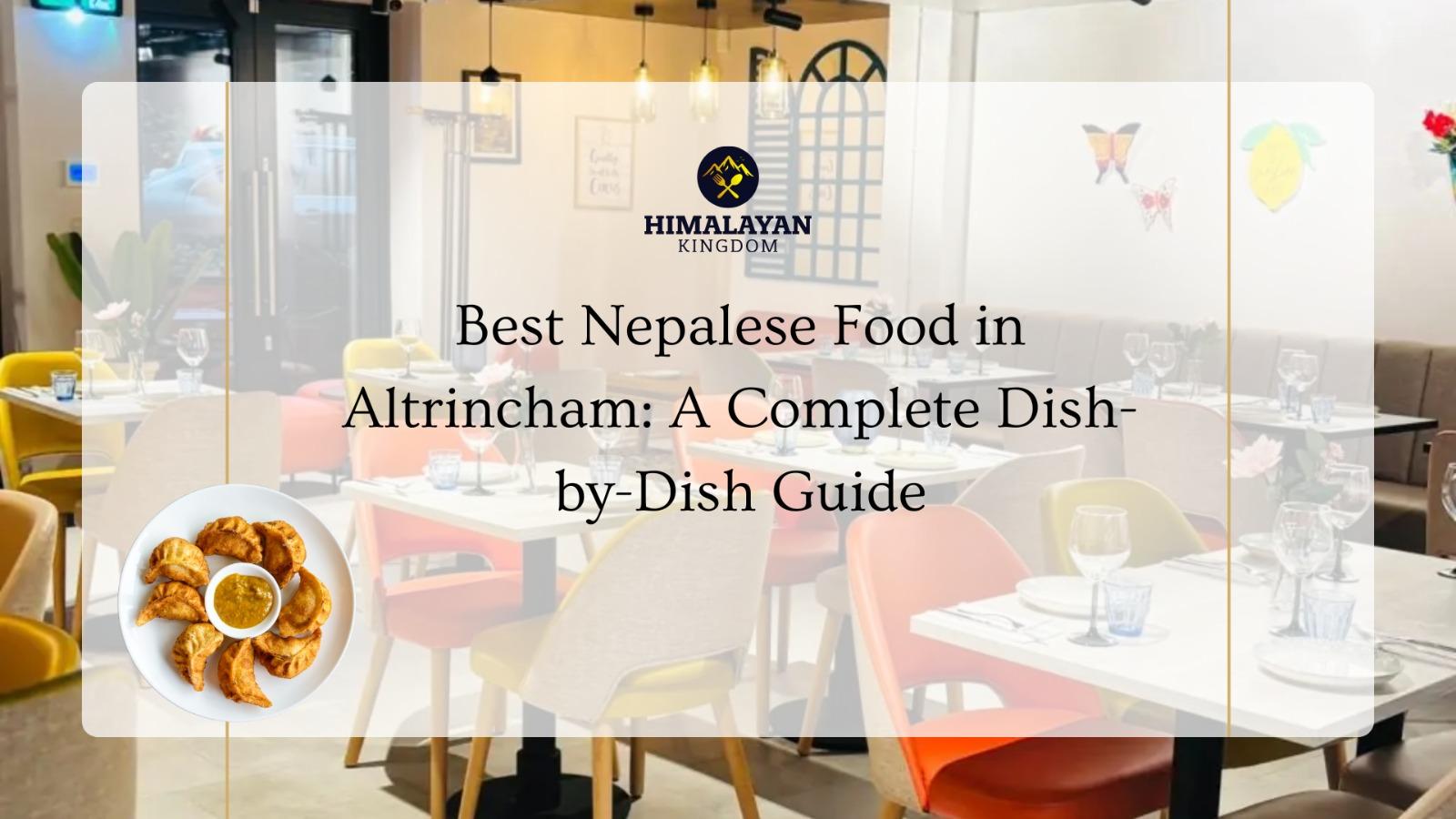
Best Nepalese Food in Altrincham: A Complete Dish-by-Dish Guide
Altrincham has earned its reputation as one of Greater Manchester’s most exciting places to eat. Among Altrincham’s many food options, Nepalese cuisine often surprises first-time diners. Rich with Himalayan character, shaped by centuries of mountain culture, and distinct from anything else on the menu in the area, the best Nepalese food in Altrincham offers something that no Italian trattoria or modern British bistro can come close to replicating.
There is a growing trend in the UK for Nepalese cuisine. Increasing numbers of people want to try dishes that have their own stories to tell; they hold significance and have a flavor like no other. The emerging food culture of Altrincham has made it possible to fulfill this desire.
Whether you’ve eaten your way through every corner of the food scene or you’re simply looking for something new on a Saturday night, this guide walks you through every dish worth knowing what it is, what it tastes like, and why it belongs on your table.
Why Nepalese Cuisine Is Becoming Popular in Altrincham
Altrincham is known for its diverse food scene, with diners always looking for new and authentic flavors. As a result, Nepalese cuisine has become increasingly popular among locals seeking something beyond traditional curry houses and familiar restaurant menus.
The cuisine of Nepal stands out for its distinctive fusion of influences from the Himalayan mountains, India, and Tibet. It includes freshly made, seasoned ingredients, as well as handcrafted dumplings, soups, and curries, offering something entirely different from other South Asian food cultures.
From popular dishes like Nepali momo and thukpa soup to traditional favorites such as dal bhat and Nepali thali, more people in Altrincham are discovering the rich flavors and cultural heritage behind Nepalese food. If you’re wondering which dishes to try first, our guide on What to Order at a Nepalese Restaurant for the First Time can help you decide. Whether you’re a first-time visitor or a regular food enthusiast, Nepalese cuisine offers something memorable for every palate.
What Makes Nepalese Cuisine Unique?
Nepal is located between India and Tibet, and its cuisine combines characteristics of both cultures while still maintaining its own unique features. All dishes contain elements of Himalayan style in the form of mustard oil use, a preference for lentils and fermentation, and spices are used to build warmth without overwhelming heat.
What makes authentic Nepalese cuisine different from other cuisines?
Unlike many cuisines, Nepalese dishes do not rely on heavy sauces; Nepalese cooking focuses on fresh ingredients and natural flavors. Ingredients like gundruk (fermented leafy greens), jimbu (a Himalayan herb), timur pepper, and black cardamom give dishes a unique taste you won’t find anywhere else. Traditional cooking over an open fire, Tibetan-style dumplings in the mountains, and Indian-inspired tandoor cooking in the southern plains all add to the variety and richness of Nepalese food.
It’s the freshness of the ingredients that makes Nepali cuisine travel well. It’s not about rich and complicated sauces or creamy dishes. It’s about purity, balance, and healthfulness, which is what today’s diners want.
Ready to Experience Authentic Nepalese Flavors?
Visit Himalayan Kingdom and enjoy the best Nepalese food in Altrincham, freshly prepared with authentic Himalayan recipes.
Nepalese Food vs Indian Food
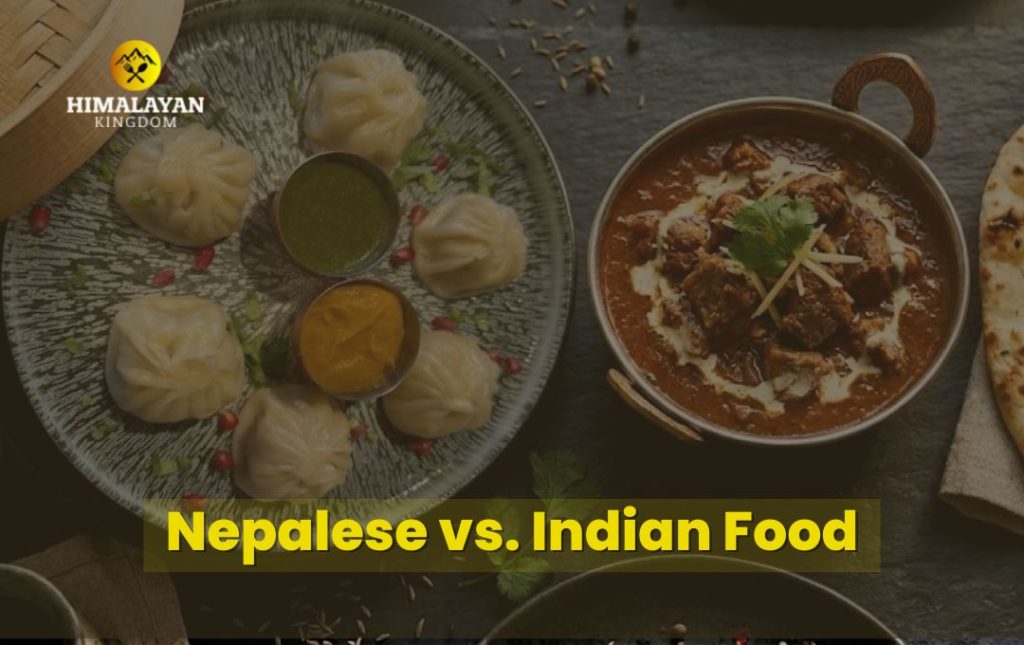
Many people think Nepalese and Indian food are the same because both use similar spices and ingredients. While they do share some influences, the two cuisines are completely different due to use of their own unique flavors, cooking styles, and signature dishes. Once you try them side by side, the differences become easy to notice due to their feature:
| Feature | Nepalese Food | Indian Food |
| Flavour | Light, fresh, and balanced with herbs. | Rich, bold, and full of layered spices. |
| Sauces | Usually thin and simple, allowing natural flavors to stand out. | Often thick, creamy, and slow-cooked with many spices. |
| Spices | Uses fresh chilies, timur pepper, jimbu, mustard oil, and black cardamom. | Relies on spice blends like garam masala, cumin, turmeric, and coriander. |
| Cooking Methods | Steaming, charcoal grilling, open-fire cooking, and slow cooking in clay pots. | Tandoor cooking, frying, roasting, and slow-cooked curries. |
| Popular Dishes | Momos, dal bhat, thukpa, sel roti, and gundruk. | Butter chicken, biryani, rogan josh, naan, and samosas. |
| Overall Style | Simple, wholesome, and focused on natural ingredients. | Rich, varied, and known for its complex spice combinations. |
If you’d like to explore the differences in more detail, read our complete guide to Nepalese Food vs Indian Food, where we explain how the two cuisines differ in their flavors, ingredients, cooking techniques, and signature dishes.
Must-Try Traditional Nepalese Dishes in Altrincham
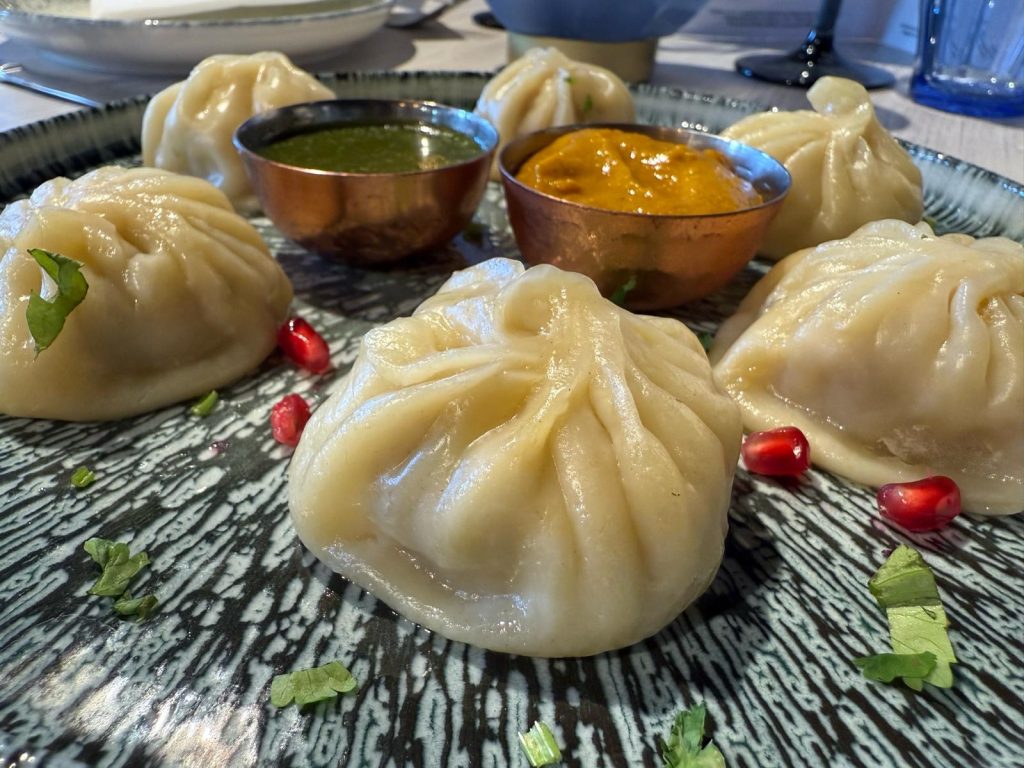
Now that you know the difference between Nepalese and Indian food, it’s time to discover the dishes that make Nepalese cuisine so special. Whether you’re visiting a Nepalese restaurant in Altrincham for the first time or looking to try something new, these traditional favourites are a great place to start. From the famous handmade momos and comforting thukpa to the hearty dal bhat and smoky sekuwa, every dish offers a unique taste of Nepal’s rich food culture and authentic Himalayan flavours.
Nepali Momo: Nepal’s Famous Dumplings
If there’s one dish that represents Nepalese food to the outside world, it’s the momo. These Nepalese dumplings are small parcels of thin dough filled with spiced meat or vegetables, and they are genuinely one of the great street foods of Asia. The authentic momo resembles a Tibetan dumpling; that’s because it is one, adapted and claimed entirely by Nepali food culture over generations.
The filling varies: chicken, lamb, pork, or a combination of vegetables are typical fillings for a momo, but what makes an excellent momo is the ratio: juicy filling, light wrapper, and proper dipping sauce. In Nepal, momo are eaten at any time of day, in food carts or home kitchens. In Altrincham, the best momo in Altrincham can be found in a place where momo are made properly – where people understand what a momo really is: not an accompaniment or a fancy starter, but something to order more than once. The filling may remain the same; however, the preparation of momos gives a very different dining experience altogether. The three most popular types are:
Steamed Momo
The classic preparation. Steamed momo are cooked gently until the wrapper turns soft and slightly translucent, with the filling inside staying juicy and fragrant. They’re served with achar a spiced tomato-sesame dipping sauce that cuts through the richness of the filling. If you’re new to momos, start here. The flavour is clean and the texture is delicate. It’s the version that best shows off the quality of the ingredients.
Fried Momo
The same filling, different result. Fried momo are pan-fried or deep-fried until the outside crisps into a golden shell, while the inside stays soft. The contrast between the crunch and the juicy filling makes these a favourite for people who prefer their textures bold. They’re often served with the same achar, and the slight caramelisation on the wrapper adds a nuttiness that the steamed version doesn’t have.
Jhol Momo
Jhol momo is where things get genuinely exciting. These are steamed momos served submerged in a rich, spiced broth a silky, tangy soup made with tomatoes, sesame, and Nepalese spices. The momo absorbs some of the broth, softens slightly, and the whole thing becomes something closer to a deeply flavoured dumpling soup. It’s messier to eat, more complex in flavour, and arguably the most interesting version of the three. Once you’ve had jhol momo, you tend to order it every time.
Thukpa Soup: The Himalayan Noodle Soup
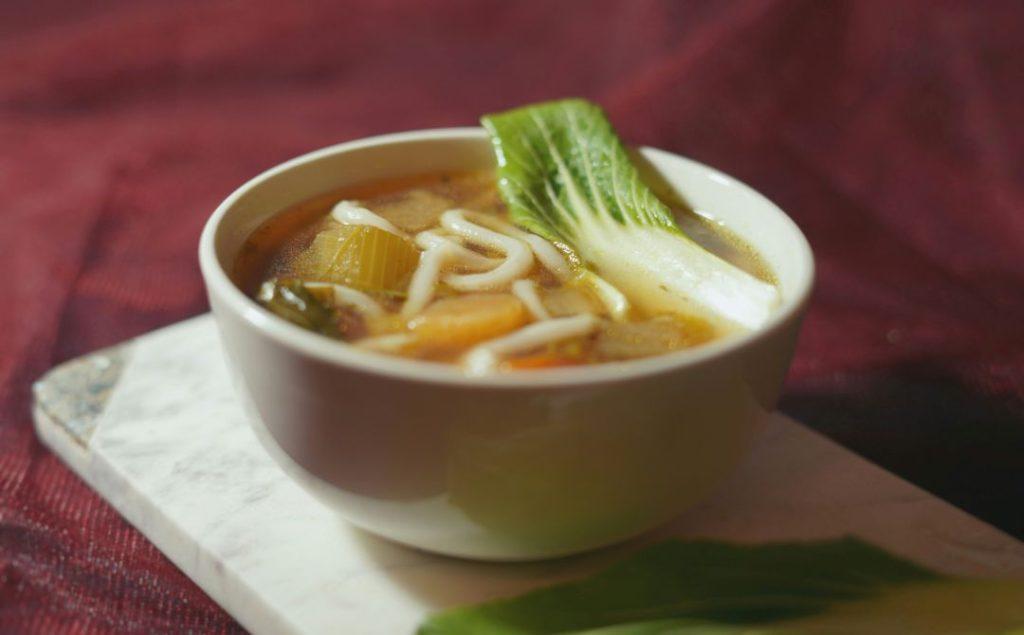
Thukpa is Nepal’s answer to a proper bowl of comfort. This traditional thukpa is a hand-pulled noodle soup, originating in the highlands of Nepal and Tibet, built on a clear, aromatic broth loaded with vegetables, herbs, and your choice of protein.
The broth is the thing. Made from slow-cooked bones, ginger, garlic, and a careful balance of Himalayan spices, it carries warmth and depth without heaviness. The noodles are thick and slightly chewy, much more substantial than you’d find in a Vietnamese pho or a Japanese ramen, which this dish will inevitably be compared to by first-timers, even though it predates and differs from both.
What makes thukpa soup distinct from similar dishes is its seasoning. The Nepalese noodle soup uses timur pepper and jimbu herb to create a gentle, almost citrusy warmth, nothing sharp or aggressive. It’s the kind of bowl that works in every season but earns its following in the colder months. On a wet Tuesday evening in Altrincham, it’s difficult to think of anything better.
Dal Bhat: Nepal’s National Dish
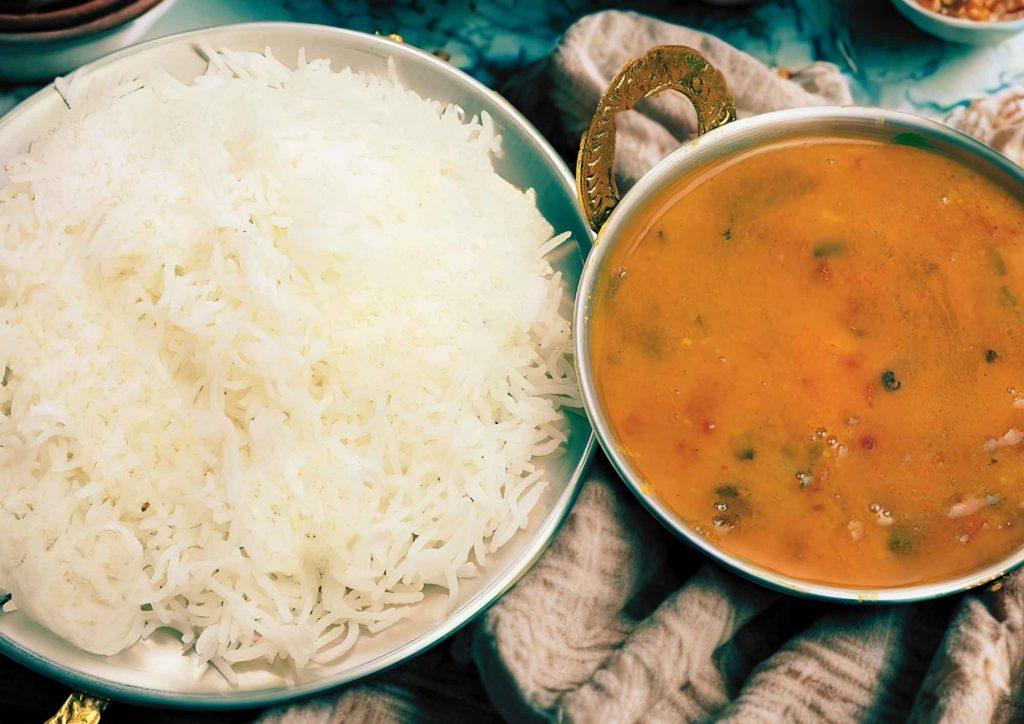
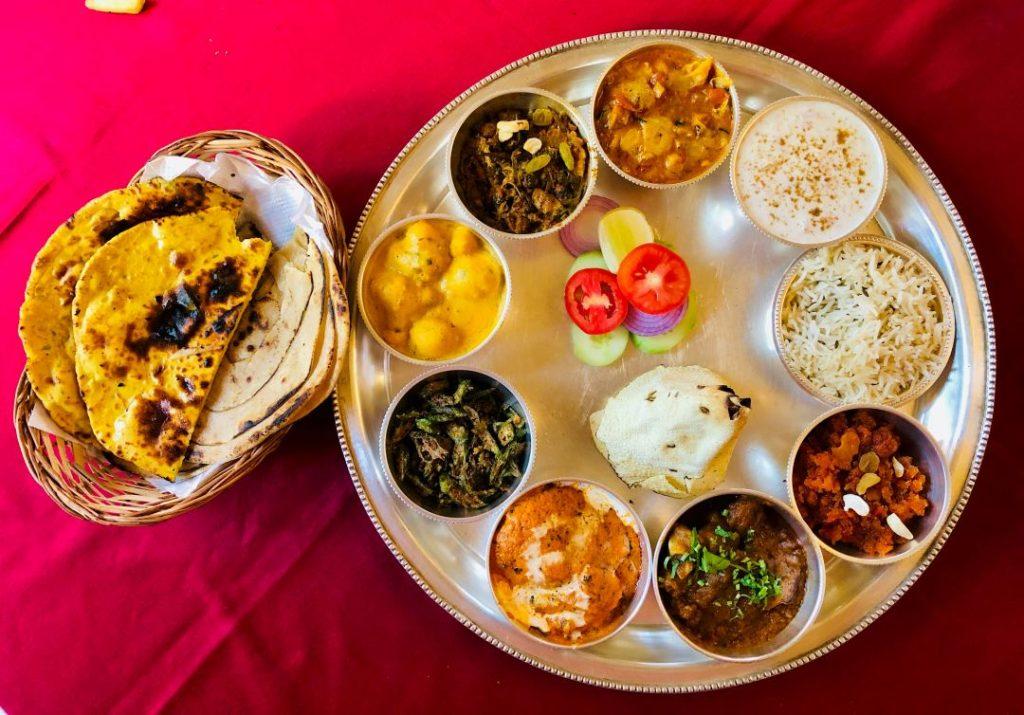
Dal bhat is not a single dish. It’s a way of eating. The name means simply “lentils and rice”, but that description sells it short; a proper traditional Nepali meal of dal bhat arrives as a full spread: lentil soup (dal), steamed rice (bhat), a vegetable or meat curry (tarkari), pickled condiments (achar), and seasonal greens on the side.
Dal Bhat is consumed by the majority of people twice a day in Nepal. This is not peasants’ food nor street food; this is the basic food of an entire culture that people consume not only by force of habit but because it satisfies their needs. Dal is thin compared to Indian dal; it is cooked with mustard oil and green herbs. Rice is just plain; this is the idea behind this meal because it should blend well with dal and curry
Eating dal bhat properly means pouring your dal over your rice, mixing in a little curry, taking a pinch of achar, and repeating until you’re done. There’s no wrong way to do it, but doing it deliberately makes it far more enjoyable than treating each component separately.
Dal bhat is more than just a traditional meal it reflects Nepal’s culture, hospitality, and everyday way of life. Discover why it has remained Nepal’s most loved meal for generations.
Nepali Thali: The Complete Nepalese Dining Experience
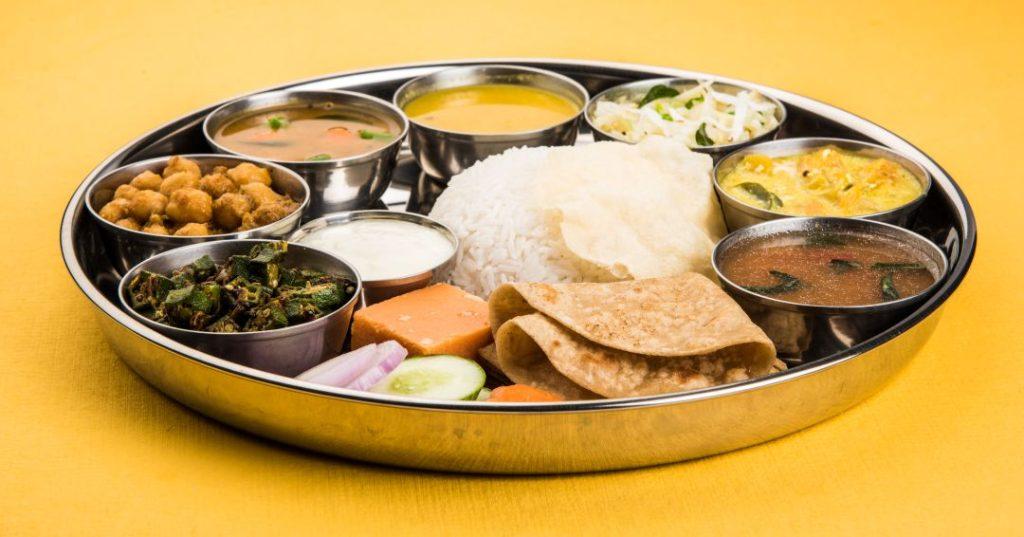
A Nepali thali is the most efficient way to understand Nepalese cooking in a single meal. The word thali refers to the large plate on which the components are arranged: dal, rice, one or two curries, pickles, greens, and sometimes a fried element. The Nepalese dining experience of eating from one is about variety and balance rather than a single dominant flavor.
Choila: A Popular Nepalese Delicacy
Choila is a dish from the Newar community of the Kathmandu Valley, and it’s one of the most distinctly Nepalese things on any authentic menu. It consists of grilled or roasted meat, traditionally buffalo, though chicken and lamb versions are now most common, marinated in a punchy mix of mustard oil, chili, garlic, ginger, timur pepper, and fresh herbs, then sliced and served at room temperature.
The taste of choila is strong and clear. The mustard oil makes its taste very much Nepalese in character, and the timur pepper leaves a numbing sensation in your mouth for some time. Choila is consumed as an accompaniment or a starter along with the beaten rice, called chiura, in its native environment, while in restaurants it complements the drinks very well as a starter. Choila is one of the least known Nepalese dishes in the world outside Nepal.
Sekuwa: Nepal’s Traditional Grilled Meat
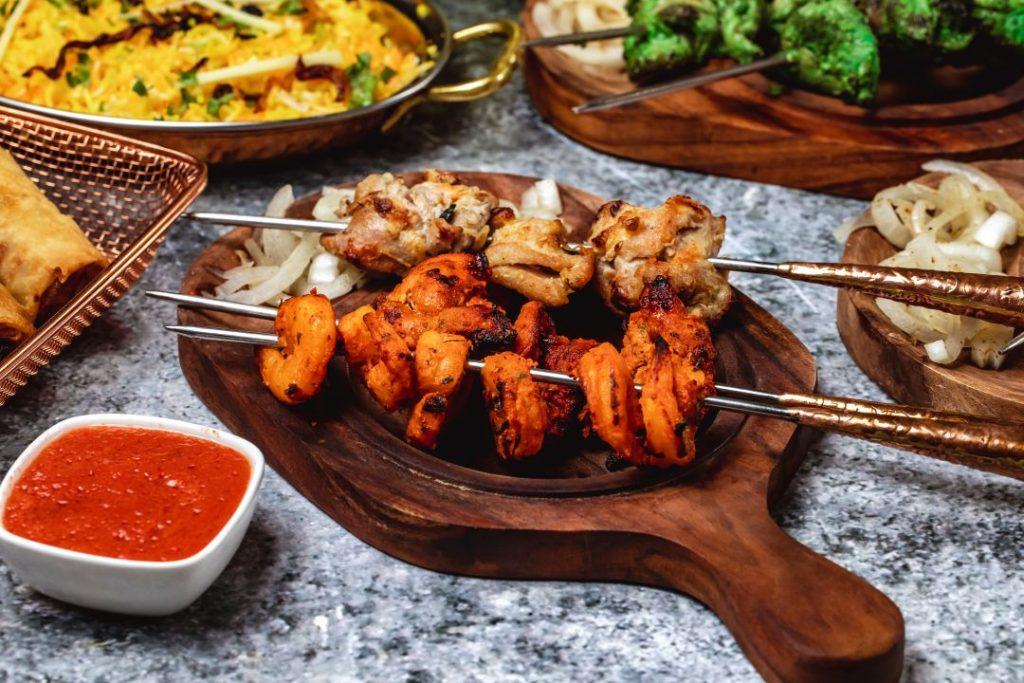
Sekuwa is Nepal’s answer to the barbecue. Pieces of meat, most often chicken, lamb, or pork, are marinated in a blend of Himalayan spices, including cumin, coriander, chili, and mustard oil, then cooked over an open charcoal flame. The result is smoky, slightly charred on the outside, and intensely flavored all the way through.
The thing that makes sekuwa different from same grilled meat dishes in other cuisines is the marinade. The Himalayan flavors, particularly timur and fresh ginger, create a depth that stays with the meat through the cooking process rather than sitting on the surface. Sekuwa is a social dish, typically shared rather than ordered per person, and it arrives best with a cold Gurkha beer and achar on the side
Gurkha Curry: A Himalayan Favorite
The Gurkha Curry is one of the most popular dishes served in Nepalese restaurants across the UK. Inspired by the rich food traditions of Nepal and the Gurkha community, this curry is usually made with tender lamb, slow-cooked until it is full of flavor. Instead of relying on heavy cream or tomato-based sauces, it is prepared with fresh garlic, ginger, green chilies, onions, and a blend of Himalayan spices that create a rich yet balanced taste.
It is the light and flavorful gravy that separates Gurkha Curry from other dishes. The sauce is full of flavors yet not too heavy for the meat and spices to emerge through it. As far as spices are concerned, the dish is mostly medium spiced, providing a pleasant tingling effect with every single bite. For those who seek the taste of Nepal in a curry dish, Gurkha Curry is definitely worth trying.
What Should You Order If It’s Your First Time Trying Nepalese Food?
The first taste of Nepalese cuisine is always an interesting moment, particularly if you regularly eat Indian and Chinese dishes. The food here is characterized by natural products, balanced spices, and comfortable tastes. It makes your acquaintance with Nepalese cuisine quite easy, even when you try something new. The best method is to choose a variety of dishes which will help you discover your favorites.The dishes you can try are:
- Momos: Nepal’s famous handmade dumplings, served steamed or fried with a spicy dipping sauce.
- Dal Bhat: The country’s traditional meal of rice, lentil soup, vegetables, and your choice of curry.
- Gurkha Curry: A slow-cooked curry with tender meat and aromatic Himalayan spices.
- Thukpa: A warming noodle soup packed with vegetables and your choice of meat.
- Sekuwa: Charcoal-grilled marinated meat with a smoky flavor, perfect as a starter or main.
If you’d like to know more in detail about what to order, portion sizes, spice levels, and the best dishes for first-time visitors, read our Complete First-Time Guide to Ordering Nepalese Food. It covers everything you need to know before visiting a Nepalese restaurant and helps you choose dishes you’ll love.
Where to Find Authentic Nepalese Food in Altrincham
If you’re looking for authentic Nepalese food in Altrincham, your options are limited, as there are only a few restaurants specializing in traditional Himalayan cuisine. The best Nepalese restaurants focus on classic recipes, fresh ingredients, and cooking methods that stay true to Nepal’s food culture, from handmade momos and hearty dal bhat to flavourful Himalayan curries and grilled sekuwa.
One local option is the Himalayan Kingdom in Hale, just a few minutes from Altrincham town center. It offers traditional Nepalese cuisine along with the well-loved Indian dishes, thus it is suitable for those who are trying their first taste of Nepalese food as well as those familiar with the taste of Himalayan cuisine. Some of its famous dishes include momos, thalis, Gurkha curry, thukpa, and many more.
As Nepalese cuisine continues to grow in popularity, it’s worth booking a table in advance during busy evenings and weekends. If you prefer to enjoy your meal at home, many Nepalese restaurants in the area also offer takeaway and delivery services.
Why Nepalese Food Is One of the Most Unique Dining Experiences in Altrincham
Nepalese food is about much more than great flavor; it’s about bringing people together. In Nepal meals are shared with family and friends, with everyone gathering around the table to enjoy a variety of dishes. From plates of handmade momos to comforting bowls of dal bhat and sizzling sekuwa, every meal is designed to be enjoyed together rather than eaten alone.
The thing that makes this experience unique is the balance between flavors and texture. One can have pickled food, grilled meat, fresh herbs, curry dishes, soups, as well as soft breads all on one plate during a meal. This type of dining allows for sharing of the food as well as discussions among diners.
While you may be tired of having just another takeaway meal or a curry night, there is more than that to explore Nepalese cuisine can be your best bet in that case. Due to its unique Himalayan flavors, fresh ingredients, and great hospitality, Nepalese cuisine can be a very interesting experience in Altrincham.
Experience Authentic Nepalese Food in Altrincham
You will have noticed by now that Nepalese food has much more to offer than yet another kind of curry. The food from the country has a distinct combination of its Himalayan heritage, freshness, spices and traditional recipes, which make for an unmatched experience of dining. The dishes like dal bhat, homemade momos, sekuwa and Gurkha curry are all proof of the same.
When you want to try something new and different from what you have known all along, then the food of Nepal is just right for you. You can try out some of the traditional meals when having dinner with your family, friends or even just trying something different from other types of food.
Ready to Taste the Best Nepalese Food in Altrincham?
Now that you know what makes Nepalese cuisine so special, it’s time to experience it for yourself. Visit Himalayan Kingdom and enjoy authentic Himalayan flavors, freshly prepared by our experienced chefs in the heart of Altrincham.
Frequently Asked Questions
1. What is the most popular Nepalese food?
Momo is the most popular Nepalese dish both in Nepal and in Nepalese restaurants worldwide. These spiced dumplings, steamed, fried, or served in jhol broth, are Nepal’s signature dish and the first thing most people try. Dal bhat, the national meal of lentils and rice, is equally central to Nepalese food culture.
2. Is Nepalese food spicy?
Nepalese food uses chili and spice, but it isn’t defined by heat in the way that some other cuisines are. Most dishes are warmly spiced rather than hot, and many can be adjusted to your preference. Dishes like thukpa and dal bhat are naturally gentle. Choila and Gurkha curry tend to be hotter, but a good restaurant will advise you on the spice level before you order.
3. What is the difference between Nepalese and Indian food?
Nepalese food is generally lighter than Indian restaurant food, with thinner sauces and a stronger emphasis on mustard oil, fresh herbs, and Himalayan spices like timur pepper and jimbu. Certain dishes, such as momo, thukpa, choila, and dal bhat, have no Indian equivalent. Cooking methods also differ, with Nepalese cuisine drawing heavily on steaming and charcoal grilling alongside the tandoor techniques shared with Indian cooking.
4. What is Jhol Momo?
Jhol momo is a preparation of steamed momos served in a rich, spiced tomato-sesame broth. The momos absorb some of the soup and soften slightly, creating a combination of textures and flavors that’s more complex than either standard steamed or fried momo. It’s one of the most celebrated versions of the dish.
5. Which Nepalese dish should I try first?
For a starter, start with steamed momo. They’re approachable, genuinely delicious, and give you an immediate sense of what Nepalese cooking does distinctively well. Follow with dal bhat or a Nepali thali as your main course for the full experience.